
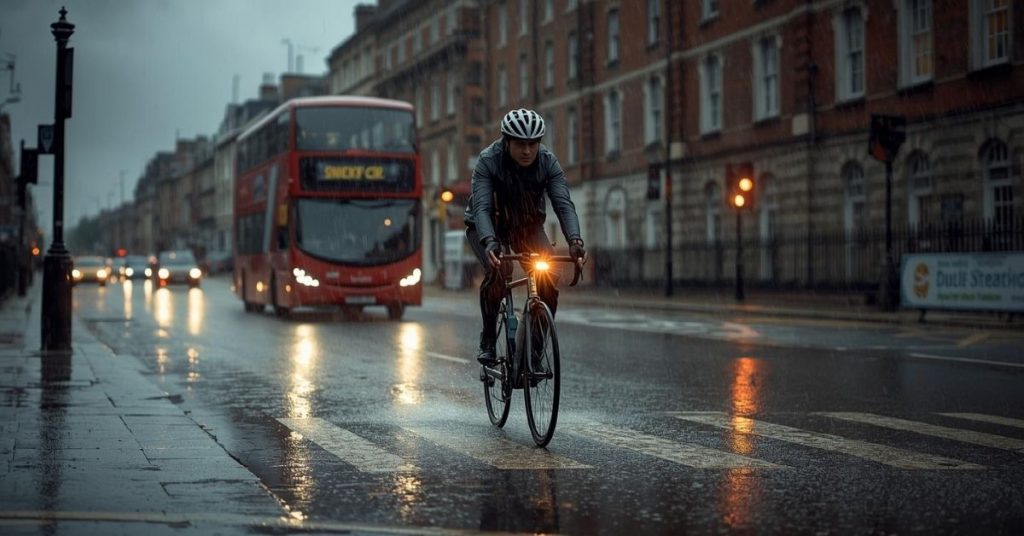
If you cycle in London long enough, it’s not a question of if you’ll get caught in heavy rain it’s when. One minute the sky is overcast but calm, the next you’re pedalling through sheets of rain, splashing through puddles, wondering whether to laugh, swear, or both. Getting caught in heavy rain doesn’t have to ruin your ride or damage your bike. With the right mindset and a few practical steps, you can stay safer, protect your bike, and avoid long-term problems. Whether you’re commuting, running errands, or just out enjoying a ride, here’s exactly what to do when the rain suddenly pours down
.
Stay Calm and Adjust Your Riding Style
The first and most important thing to do is slow down both physically and mentally. Heavy rain changes how the road behaves, and riding the same way you would on a dry day is a recipe for trouble. Reduce your speed, especially on corners and descents. Wet roads reduce grip, and sudden braking or sharp turns can easily cause a skid. Keep your movements smooth and predictable. Brake earlier than usual and allow extra stopping distance. Visibility often drops in heavy rain, so assume drivers can’t see you as clearly as they normally would. Ride defensively, give yourself more space, and avoid weaving through traffic. Staying calm and controlled is the key to getting home safely.
Make Yourself Visible Immediately
Rain doesn’t just affect how well you can see it affects how well others can see you. If your lights aren’t already on, turn them on straight away, even during the day. Rainy conditions dull colours, reflect headlights, and reduce contrast. If you’re wearing a jacket with reflective elements, great. If not, your lights become even more important. A steady front light and a bright rear light help drivers spot you through the rain spray and gloom. Good visibility isn’t about being flashy it’s about being predictable and noticeable. In heavy rain, that matters more than ever.
Watch Out for Slippery Surfaces
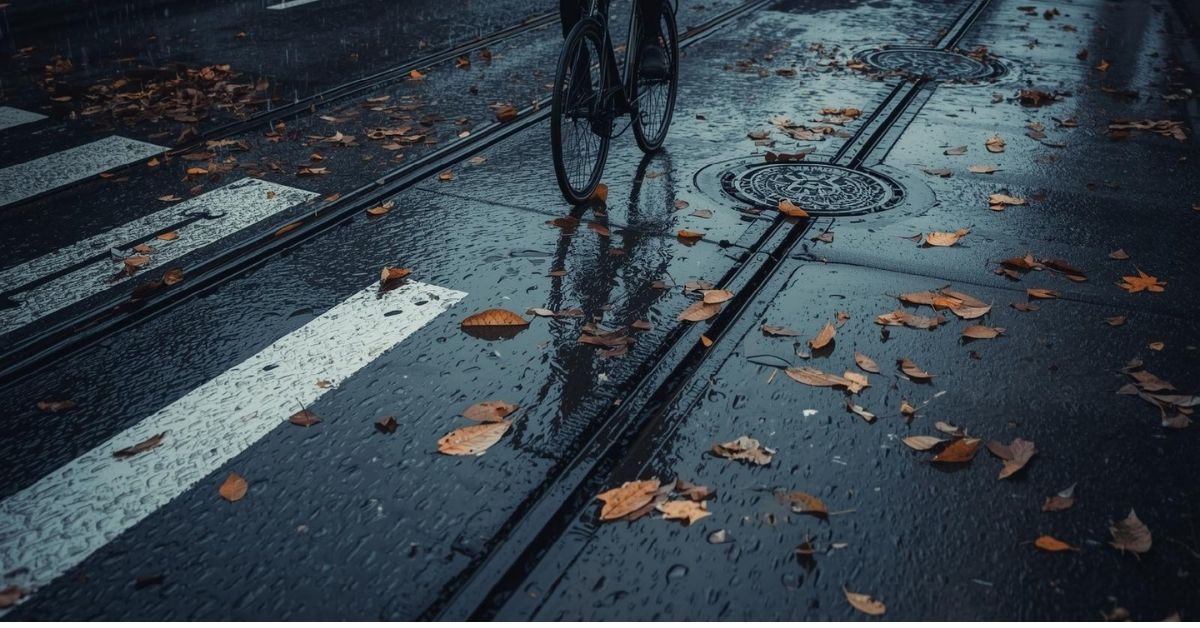
Some surfaces become extremely slippery when wet, and heavy rain makes them harder to spot. Painted road markings, metal drain covers, tram tracks, manhole covers, and fallen leaves are all common causes of slips. Try to ride around these hazards when possible, and if you must cross them, do so in a straight line without braking or turning sharply. Be especially cautious at junctions and crossings, where paint and metal are often concentrated. Puddles can also hide potholes, broken glass, or deep dips in the road. If you can’t see the bottom, assume the worst and slow down.
Protect Your Braking Power
Brakes behave differently in the rain, particularly rim brakes. They may take a moment longer to bite, which can feel unsettling if you’re not expecting it. Lightly feather your brakes now and then to clear water from the braking surface and keep them responsive. When you need to stop, apply steady pressure rather than grabbing the brakes suddenly. If your brakes feel weak or noisy after riding in heavy rain, that’s normal but it’s a sign your bike will need a quick check once things dry out.
If Possible, Take Shelter and Reassess
If the rain becomes intense enough to affect your comfort or safety, it’s okay to stop. Sheltering under a bridge, shop canopy, or quiet side street for ten minutes can make a huge difference. Heavy rain often passes quickly. Taking a short break can help you warm up, improve visibility, and ride more safely once the worst of it has passed. There’s no prize for pushing on through dangerous conditions. Listening to your instincts is part of being a smart cyclist.
What to Do When You Get Home
Once you’ve made it home or reached your destination, what you do next is just as important as how you rode in the rain. Start by wiping your bike down. Use a dry cloth to remove excess water from the frame, chain, gears, and brakes. This helps prevent rust and keeps grit from settling into moving parts. If your bike is soaked, don’t just leave it to dry on its own. A few minutes of basic care can save you from expensive repairs later.
Check and Dry the Chain
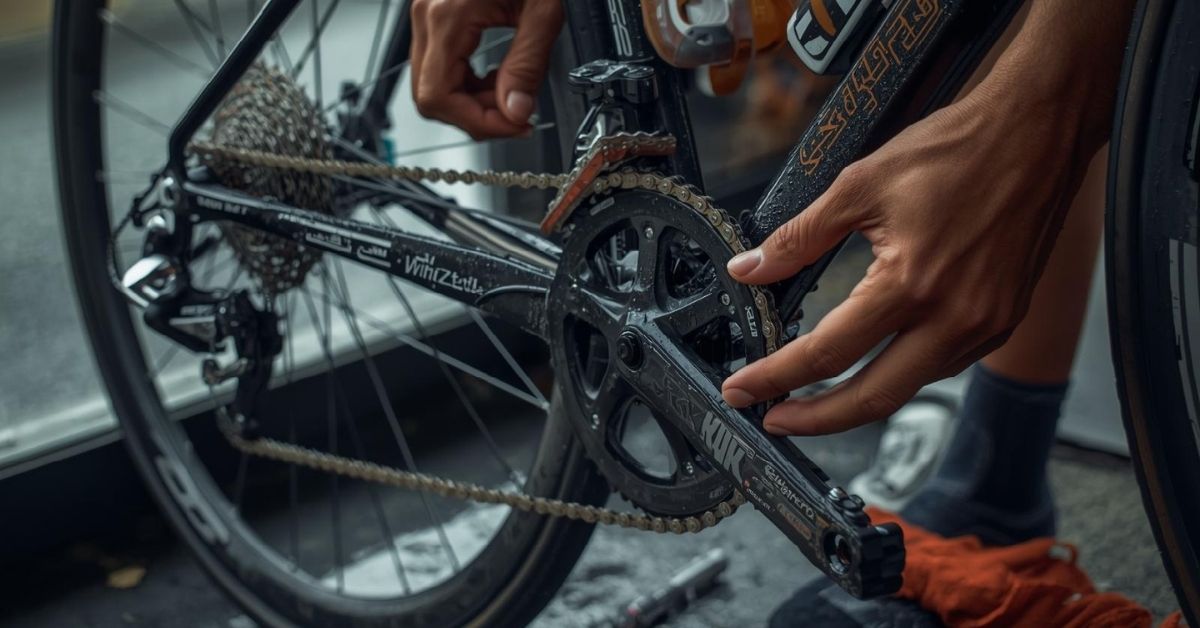
Your chain takes the biggest hit in wet weather. Rain washes away lubricant and allows moisture to creep into the links. Dry the chain thoroughly, then apply a suitable lubricant once it’s dry. Wipe off any excess oil to avoid attracting dirt. A well-lubed chain not only lasts longer but also makes your next ride smoother and quieter. Ignoring your chain after heavy rain is one of the fastest ways to wear out your drivetrain.
Inspect Brakes and Gears
After a wet ride, check that your brakes still feel responsive and that your gears shift smoothly. Water and grit can affect cable tension and alignment, especially if your bike hasn’t been serviced recently. Listen for squealing brakes or crunching sounds when you pedal. These noises are early warnings that something needs attention. Catching small issues early can prevent bigger problems later on.
Don’t Forget Your Own Comfort
It’s easy to focus entirely on the bike and forget about yourself. Change out of wet clothes as soon as possible to avoid getting cold, especially in cooler months. If you commute regularly, keeping spare socks or a lightweight towel at work can be a game-changer. Being dry and warm helps you recover faster and makes rainy rides feel far less miserable. Cycling in the rain is as much about comfort as it is about mechanics.
Learn From the Experience
Every rainy ride teaches you something whether it’s which route floods easily, which jacket actually keeps water out, or how your bike behaves in wet conditions. Take note of what worked and what didn’t. Over time, you’ll build confidence and skill, and rain will feel like a minor inconvenience rather than a major obstacle. Many experienced cyclists will tell you the same thing: once you know how to handle it, rain stops being a reason not to ride.
Final Thoughts
Getting caught in heavy rain is part of cycling life in London. It doesn’t mean you’ve done anything wrong it just means you’re out there riding. By staying calm, adjusting your technique, and taking proper care of your bike afterwards, you can turn a soaking ride into just another story rather than a costly mistake. If your bike feels off after a wet ride, or you want advice on keeping it running smoothly through London’s unpredictable weather, popping into a trusted local shop makes all the difference. That’s where places like Southwarkcycles come in helping cyclists keep their bikes reliable, safe, and ready for whatever the skies decide to throw at them next.