At Southwark Cycles, we understand that a properly fitted bike is not just a luxury—it’s essential for performance, comfort, and injury prevention. A professional bike fitting tailors your bike to your unique body, riding style, and goals. Here, we delve into the key aspects covered in a bike fitting and why it’s a worthwhile investment for cyclists of all levels.
1. Initial Consultation
Every bike fitting begins with an in-depth consultation. The goal is to understand your cycling history, goals, and any issues you may be facing. Questions might include:
- How often and how far do you ride?
- Do you experience discomfort or pain while cycling?
- Are you training for a specific event, or is cycling more recreational?
- Have you had any previous injuries?
This information helps the bike fitter tailor the process to your needs, ensuring that every adjustment is aligned with your objectives.
2. Physical Assessment
A thorough physical assessment is crucial to understanding your body’s mechanics and limitations. During this step, the fitter will evaluate:
- Flexibility: Understanding your range of motion, particularly in the hips, hamstrings, and lower back, which affects your riding position.
- Core Stability: Assessing how well your core supports your posture on the bike.
- Leg Length and Alignment: Checking for discrepancies that may impact pedal stroke efficiency.
- Injury History: Identifying any areas of concern, such as knee pain or back issues, that the fit should accommodate.
3. Bike and Equipment Analysis
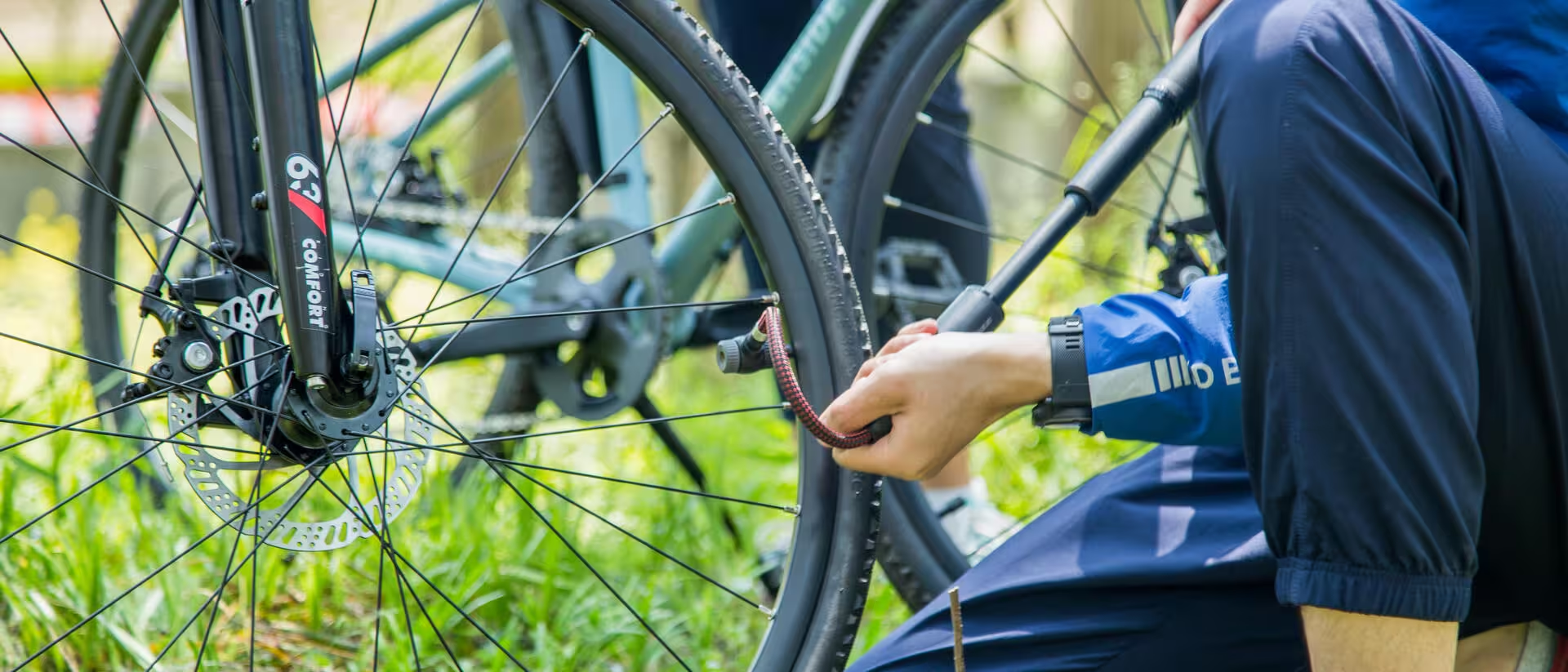
Next, the fitter will examine your current bike setup and equipment. This includes:
- Frame Size: Ensuring your bike’s frame is the right size for your height and proportions.
- Saddle Type and Position: Evaluating whether your saddle suits your anatomy and is positioned correctly for comfort and efficiency.
- Handlebar Width and Shape: Ensuring the handlebars match your shoulder width and riding style.
- Cleat Position: For cyclists using clipless pedals, cleat alignment is checked to optimize power transfer and minimize strain.
4. Dynamic Fitting Process
The core of the bike fitting process involves analyzing your position and movement while you’re on the bike. This typically takes place on a stationary trainer to allow for detailed observations and adjustments. Key areas addressed include:
a. Saddle Height
The fitter adjusts your saddle height to achieve an ideal balance between comfort and power output. A saddle that’s too high can cause hip rocking and overextension, while one that’s too low can strain your knees and reduce efficiency.
b. Saddle Fore-Aft Position
This refers to the horizontal position of the saddle relative to the bottom bracket. The fitter ensures your saddle is positioned to optimize pedal stroke mechanics and reduce strain on your knees.
c. Handlebar Reach and Drop
Your handlebars’ distance and height relative to the saddle affect your posture and aerodynamics. The fitter adjusts these elements to find a position that’s comfortable for your back and shoulders while maintaining control and efficiency.
d. Cleat Alignment
For cyclists with clipless pedals, proper cleat positioning is vital. The fitter adjusts the cleats to align with your natural foot position, reducing the risk of knee pain and improving pedal stroke efficiency.
e. Foot and Pedal Interface
The fitter ensures that your shoes and pedals work harmoniously. Insoles or wedges may be recommended to support your feet and optimize power transfer.
5. Video Analysis
Many professional bike fittings incorporate video analysis to provide visual feedback and fine-tune your position. By recording your riding posture and pedal stroke, the fitter can:
- Identify inefficiencies in your movement.
- Compare your position before and after adjustments.
- Highlight areas for further improvement.
Video analysis is especially helpful for competitive cyclists aiming to optimize their aerodynamics.
6. Data Integration
Some advanced bike fitting services utilize motion-capture technology and power meters to gather precise data on your biomechanics and performance. This data helps the fitter:
- Measure joint angles and movements in real-time.
- Optimize power output and cadence.
- Ensure a consistent and repeatable position.
7. Test Ride and Final Adjustments
After making the necessary adjustments, you’ll take a test ride—either outdoors or on a stationary trainer. This allows the fitter to:
- Confirm that the adjustments feel right.
- Make final tweaks to ensure comfort and efficiency.
- Provide guidance on how to maintain the adjustments over time.
8. Follow-Up Support
At Southwark Cycles, we believe in ongoing support. After your fitting, we’re here to:
- Address any concerns or discomfort you might experience.
- Reassess your position as your fitness, flexibility, or goals evolve.
- Provide maintenance services to keep your bike in peak condition.
Why Invest in a Bike Fitting?
A professional bike fitting offers numerous benefits, including:
- Enhanced Comfort: By tailoring your bike to your body, you’ll enjoy longer, pain-free rides.
- Injury Prevention: Proper alignment reduces the risk of overuse injuries, particularly in the knees, lower back, and wrists.
- Improved Performance: Optimizing your position can boost your power output and efficiency.
- Increased Confidence: A well-fitted bike gives you greater control and stability, improving your overall riding experience.
Who Can Benefit from a Bike Fitting?
Bike fitting isn’t just for competitive cyclists. It’s beneficial for:
- Recreational Riders: Enjoy casual rides without discomfort or fatigue.
- Commuters: Make daily journeys more efficient and comfortable.
- Triathletes: Optimize aerodynamics and conserve energy for running.
- Mountain Bikers: Improve control and maneuverability on challenging terrain.
Conclusion
A professional bike fitting is a transformative experience that ensures your bike works with you, not against you. At Southwark Cycles, our experienced fitters are dedicated to helping you achieve your cycling goals with a setup that’s as unique as you are. Whether you’re preparing for your next race or simply looking to ride more comfortably, we’re here to help.
Book your bike fitting today and take the first step toward a smoother, more enjoyable ride!