
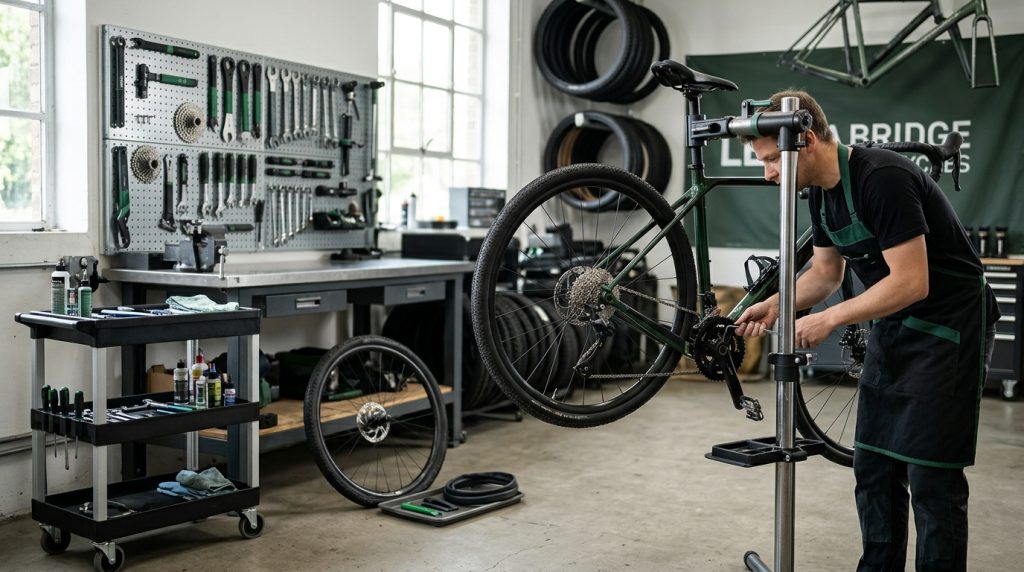
Cycling is a convenient, enjoyable and affordable way to travel. Whether you use your bicycle for daily commuting, weekend rides or exercise, keeping it in good condition is essential for a safe and comfortable journey. However, like any other vehicle, bicycles can develop problems over time. From flat tyres and loose chains to faulty brakes and gear-shifting issues, even small faults can affect your riding experience.
The good news is that many common bicycle problems can be identified and fixed with a little knowledge and the right tools. Understanding these issues can help you avoid unnecessary delays, reduce repair costs and keep your bicycle running smoothly.
Here are ten common bicycle problems and some practical ways to fix them.
1. Flat or Punctured Tyres
A flat tyre is one of the most common problems cyclists experience. It can happen when sharp objects, such as glass, nails or thorns, penetrate the tyre and damage the inner tube. Riding with incorrect tyre pressure can also increase the risk of punctures.
How to fix it:
Start by checking the tyre for visible damage or objects stuck in the rubber. Remove the wheel and carefully take out the inner tube. If the tube has a small hole, you can repair it using a puncture repair kit. However, if it is badly damaged, replacing it is usually the better option. Before fitting a new tube, check the inside of the tyre for sharp objects that could cause another puncture. Finally, inflate the tyre to the recommended pressure.
2. Squeaky or Noisy Brakes
Bicycle brakes may start making squeaking or rubbing noises during use. This can happen because of dirt, worn brake pads, misaligned components or contamination from oil and grease. Noisy brakes should not be ignored because they may indicate a problem with braking performance.
How to fix it:
First, inspect the brake pads and check whether they are worn or incorrectly positioned. Clean the braking surfaces with an appropriate bicycle cleaning product. If you have rim brakes, make sure the pads are aligned correctly with the wheel rim. For disc brakes, avoid getting oil or grease on the rotor or pads. Replace worn or contaminated pads when necessary. If the brakes continue making noise, have them checked by a professional mechanic.
3. Slipping or Skipping Bicycle Chains
A bicycle chain that slips while pedalling can make riding uncomfortable and sometimes dangerous. This problem often occurs when the chain becomes worn, dirty or poorly lubricated. Worn cassette teeth or incorrect gear adjustment can also cause the chain to skip.
How to fix it:
Begin by cleaning the chain with a suitable bicycle degreaser and applying bicycle-specific chain lubricant. Wipe away excess lubricant to prevent dirt from building up. Check the chain for stiff or damaged links and inspect the cassette for worn teeth. If the chain is stretched beyond its recommended wear limit, replace it. Persistent skipping may require a gear adjustment or replacement of worn drivetrain components.
4. Gears Not Shifting Properly
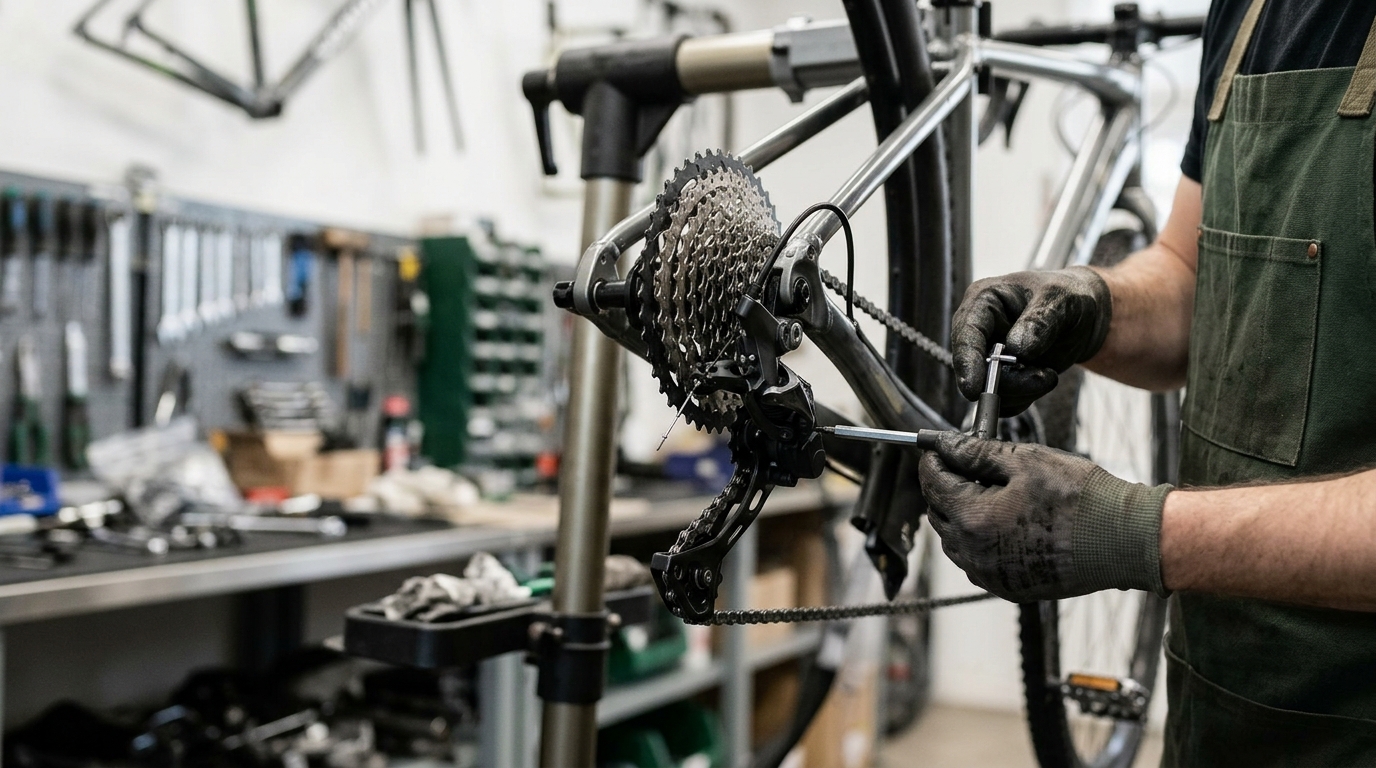
Difficulty changing gears is another frequent bicycle problem. You may notice that the chain takes too long to move between gears, makes clicking noises or refuses to shift altogether. Common causes include stretched gear cables, dirty components, a bent derailleur hanger or incorrect indexing.
How to fix it:
Check the gear cables for signs of rust, fraying or damage. Clean the drivetrain and inspect the rear derailleur for visible misalignment. Minor indexing problems can sometimes be corrected using the barrel adjuster. However, if the derailleur hanger is bent or the cables need replacing, professional adjustment is recommended. Properly adjusted gears make cycling smoother and help prevent unnecessary wear.
5. Loose or Wobbly Handlebars
Loose handlebars can affect steering and make it difficult to control your bicycle. This problem may develop when the stem bolts become loose or components are not fitted correctly. It should be addressed immediately because steering problems can increase the risk of accidents.
How to fix it:
Check the handlebar stem and clamp bolts for looseness. Tighten them using the correct tools and follow the manufacturer’s recommended torque settings. Avoid overtightening, as this can damage the components. Also, check that the handlebars and front wheel are properly aligned. If you notice cracks, movement in the headset or damaged components, ask a qualified bicycle mechanic to inspect the bike before riding again.
6. Worn-Out Bicycle Chain
A bicycle chain gradually stretches through normal use. Although the metal does not simply become longer, wear develops between the chain links and rollers. A worn chain can damage the cassette and chain rings, making repairs more expensive.
How to fix it:
Check chain wear regularly with a chain checker tool. If the chain has reached the manufacturer’s recommended replacement limit, install a compatible new chain. Make sure it has the correct length and matches your bicycle’s drivetrain. Keeping the chain clean and lubricated can also help extend its working life.
7. Wheel Wobbling or Rubbing against the Frame
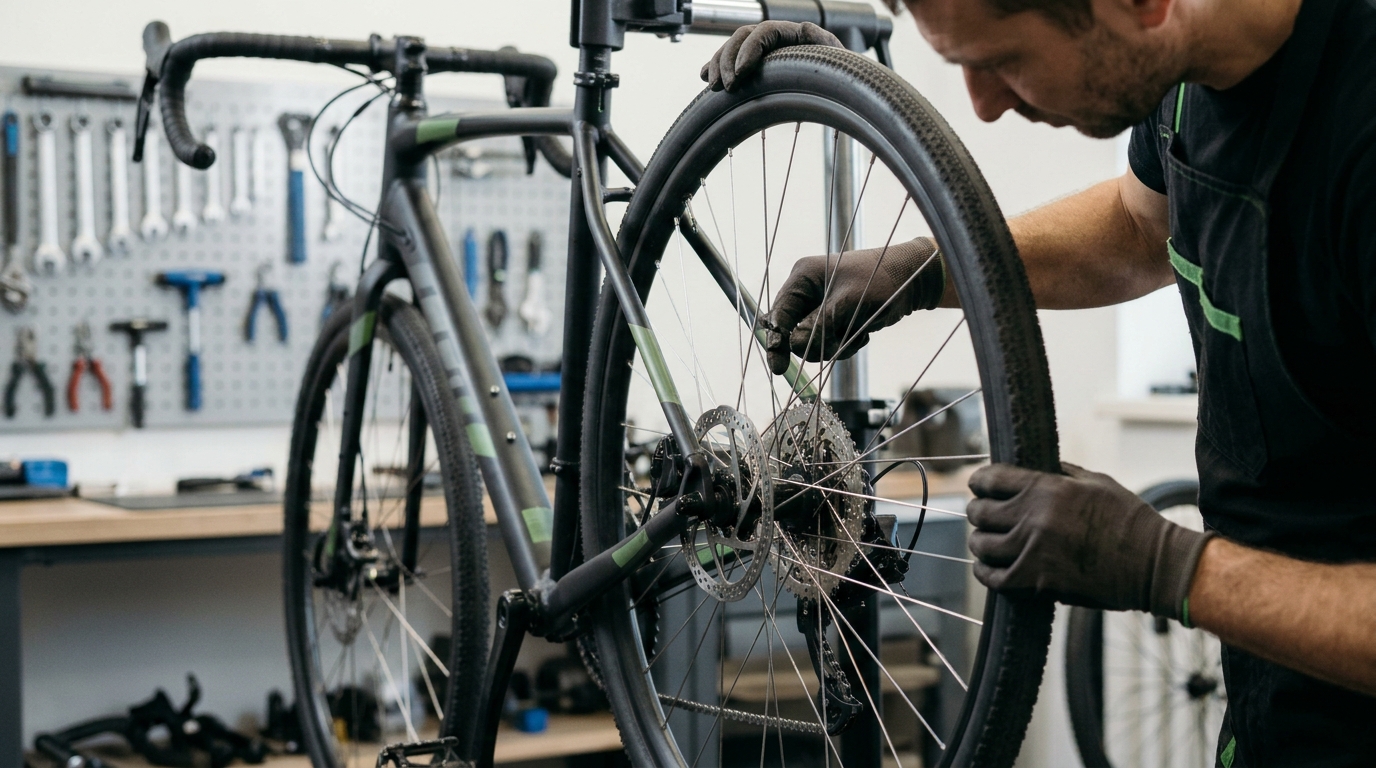
A bicycle wheel that wobbles from side to side can make riding uncomfortable and affect handling. This issue may be caused by loose spokes, damaged rims, incorrect wheel installation or a poorly adjusted hub.
How to fix it:
Lift the bicycle and spin the wheel to check whether it moves evenly. Look for loose or damaged spokes and inspect the rim for visible bends. Minor wheel alignment problems can sometimes be corrected by adjusting spoke tension, but this requires experience and the correct tools. If the wheel is badly bent or damaged, it may need professional truing or replacement.
8. Pedals Making Clicking or Cracking Noises
Clicking sounds while pedalling can be frustrating, especially during longer rides. The noise may come from loose pedals, worn crank bearings, a damaged bottom bracket or insufficient lubrication around certain components.
How to fix it:
Check whether the pedals are properly tightened and inspect the crank arms for movement. Look for signs of wear or damage around the bottom bracket. If the pedals are loose, tighten them using the correct tool and manufacturer’s specifications. If the noise continues, a mechanic should inspect the bearings and drivetrain to identify the source.
9. Bicycle Tyres Losing Air Frequently
If your tyres keep losing pressure even without an obvious puncture, there may be a problem with the inner tube, valve or tyre itself. Small holes can be difficult to identify, while a damaged valve may allow air to escape slowly.
How to fix it:
Inflate the tyre and listen carefully for escaping air. You can also apply soapy water around the valve and tyre to look for bubbles. If you find a small puncture, repair or replace the inner tube. Check that the valve is properly fitted and inspect the tyre for cuts or damage. For tubeless tyres, check the sealant level and inspect the valve and tyre bead.
10. Rust and Corrosion on Bicycle Components
Bicycle components can develop rust when exposed to rain, moisture and poor storage conditions. Chains, bolts, cables and other metal parts are particularly vulnerable. Rust can affect performance and shorten the lifespan of important components.
How to fix it:
Clean your bicycle regularly, especially after riding in wet or muddy conditions. Dry the frame, chain and metal components thoroughly before storing the bike. Apply suitable lubricant to the chain and other parts that require it. Light surface rust may be removable with an appropriate cleaning product, but heavily corroded or weakened components should be replaced. Storing your bicycle in a dry, sheltered place can help prevent further corrosion.
How to Prevent Common Bicycle Problems
Regular maintenance is the best way to avoid many bicycle problems. You do not need to be an experienced mechanic to look after your bike. A few simple habits can make a significant difference.
- Check tyre pressure before longer rides.
- Clean and lubricate the chain regularly.
- Inspect brakes and brake pads for wear.
- Make sure the wheels, pedals and handlebars are secure.
- Keep the drivetrain clean and check the gears for smooth operation.
- Store your bicycle in a dry place away from excessive moisture.
- Arrange professional servicing when you notice unusual noises or changes in performance.
These basic checks can help you identify small issues before they develop into more expensive repairs.
Final Thoughts
Bicycle problems are a normal part of ownership, but most can be prevented or resolved with proper care and regular maintenance. Knowing how to recognise common issues, such as flat tyres, worn chains, noisy brakes and faulty gears, can save you time and help keep your rides safe and enjoyable. However, some repairs require specialist tools and mechanical experience, so it is always better to seek professional assistance when you are unsure. If your bicycle needs maintenance, servicing or repairs, Lea Bridge Cycles is here to help. Whether you are experiencing gear problems, brake issues or general wear and tear, visit Lea Bridge Cycles for professional bicycle care and keep your bike ready for your next journey.
Recommended SEO details
SEO title: 10 Common Bicycle Problems and How to Fix Them
Meta description: Discover 10 common bicycle problems and learn how to fix flat tyres, noisy brakes, slipping chains and gear issues with practical maintenance tips.
Primary keyword: Common bicycle problems
Secondary keywords:
- Bicycle repair tips
- Common bike issues
- Bicycle maintenance
- How to fix a bicycle
- Bike servicing
- Bicycle troubleshooting