
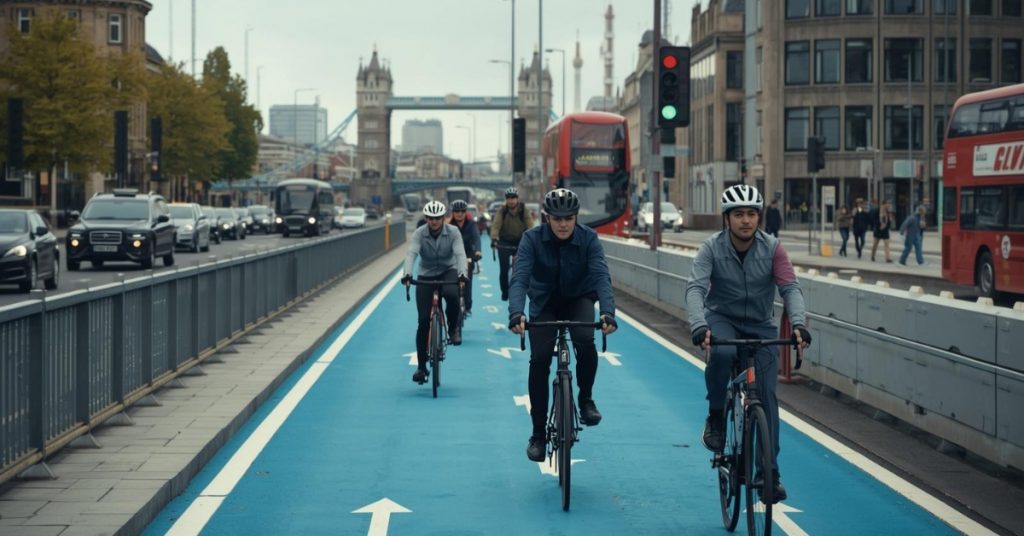
London has spent the last decade trying to reinvent how people move through the city. Among its most visible changes are the bright blue lanes cutting across busy roads Cycle Superhighways. Whether you’re commuting daily or just riding on weekends, you’ve probably seen them, used them, or at least wondered: are they actually safe? The answer isn’t as simple as yes or no. Like most things in a city as layered as London, it depends on where you ride, how you ride, and what you expect from the experience. Let’s take a closer look at what these cycling routes offer and where they still fall short.
What Are Cycle Superhighways, Really?
Cycle Superhighways were designed to make cycling faster, more direct, and more accessible across London. They connect outer boroughs to central areas, giving cyclists dedicated space on some of the city’s busiest roads. One of the most well-known routes, Cycle Superhighway CS3, runs from Barking to Lancaster Gate, passing iconic landmarks and heavily trafficked zones. The idea behind these routes is straightforward: separate cyclists from cars as much as possible and reduce conflict points. But in practice, not all sections are built the same. Some stretches are fully segregated with physical barriers, while others rely only on painted lines which can feel like little protection when a bus or taxi speeds past.
The Safety Improvements You Can Feel
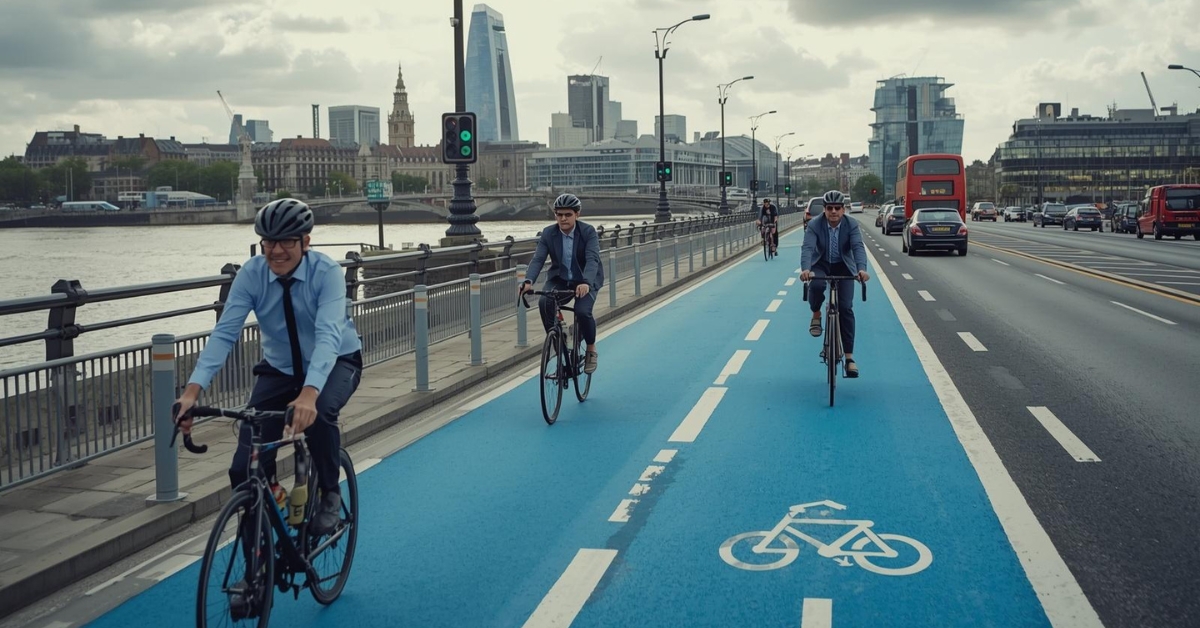
There’s no denying that Cycle Superhighways have made a difference. Compared to cycling in London a decade ago, the experience is far less intimidating in many areas. Protected lanes, clearer road markings, and dedicated traffic signals for cyclists have helped reduce accidents in several parts of the network. For many riders, especially commuters, these routes offer a sense of structure and predictability that simply didn’t exist before. Cyclists who regularly use routes along the River Thames often mention how much calmer the ride feels compared to navigating narrow side streets or weaving through congested traffic. There’s a rhythm to it you know where you’re meant to be, and drivers are more aware of your presence.
Where Things Still Feel Risky
Despite the progress, not every part of the network feels equally safe. Some sections still mix cyclists with motor traffic, especially at junctions. And if you’ve ever cycled through a busy London intersection, you’ll know that’s where things can get unpredictable. Large vehicles remain a concern. Even with improved visibility rules, sharing space with buses and lorries can feel intimidating. A painted lane doesn’t always provide enough reassurance when you’re inches away from heavy traffic. Then there are pedestrians. In areas with high footfall around places like Tower Bridge people sometimes step into cycle lanes without realizing it. It’s not intentional, but it adds another layer of unpredictability.
The Junction Problem
If there’s one area where Cycle Superhighways still struggle, it’s junctions. While straight stretches of road can feel smooth and controlled, intersections often tell a different story. Cyclists may have to merge with traffic, wait at multiple signals, or navigate unclear priority rules. For new riders, this can be the most stressful part of the journey. Some junctions have been redesigned with safety in mind, adding separate lights for cyclists or protected turning lanes. But the experience isn’t consistent across the city. One moment you feel completely safe, and the next you’re second-guessing every move.
How Cyclists Actually Feel About Them
Ask a group of London cyclists what they think, and you’ll likely get mixed opinions. For some, Cycle Superhighways are a game changer. They’ve made commuting faster, cheaper, and even enjoyable. For others, the improvements don’t go far enough. There’s a sense that the infrastructure is still evolving and that safety shouldn’t depend on which part of the route you’re on. Interestingly, many cyclists say confidence plays a big role. Experienced riders tend to adapt quickly and feel comfortable even in less protected sections. Beginners, on the other hand, often stick to fully segregated routes or avoid busy areas altogether.
Comparing London to Other Cycling Cities
It’s hard not to compare London with cities like Amsterdam or Copenhagen, where cycling feels effortless and deeply integrated into daily life. London has made progress, but it’s still catching up. The network isn’t as seamless, and the level of protection varies more than it should. That said, London faces its own challenges narrow historic streets, dense traffic, and a layout that wasn’t designed with modern cycling in mind. What’s encouraging is the direction of travel. Each new upgrade brings the city a little closer to a more cycle-friendly future.
Tips for Staying Safe on Cycle Superhighways
Even with improved infrastructure, staying safe still depends on how you ride. A few simple habits can make a big difference:
- Stay visible: Use lights, even during the day when visibility is low.
- Watch for turning vehicles: Especially at junctions and side roads.
- Keep a steady line: Sudden movements can confuse drivers and other cyclists.
- Be aware of pedestrians: Particularly in busy tourist areas.
- Don’t rush: It’s better to slow down than take unnecessary risks.
Cycling in London isn’t just about following the rules it’s about reading the road and anticipating what might happen next.
So, Are They Actually Safe?
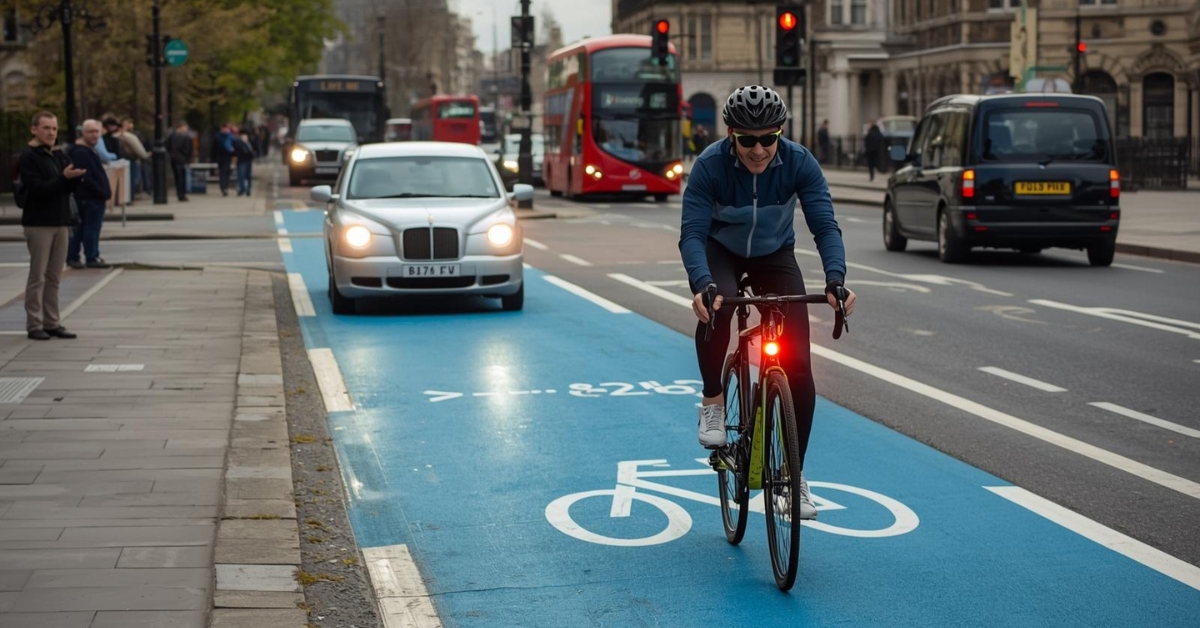
Cycle Superhighways are safer than what came before them there’s little doubt about that. They’ve created space for cyclists in a city that once felt dominated by cars. But “safe” doesn’t mean perfect. The experience can vary from one stretch to another, and there’s still work to be done, especially at junctions and in partially protected areas. For confident cyclists, these routes can feel like a major improvement. For newcomers, they’re a step in the right direction but not always the complete solution.
The Road Ahead
London’s cycling infrastructure is still evolving, and Cycle Superhighways are a big part of that journey. With continued investment and smarter design, they have the potential to become not just safer, but genuinely inviting for everyone. What matters now is consistency. A truly safe network isn’t one where only certain sections feel secure it’s one where every part of the journey does. As more people take to two wheels, the pressure to improve will only grow. And that’s a good thing. Because in a city like London, cycling isn’t just a way to get around it’s a glimpse of what urban life could look like when people, not cars, come first. And if you’re exploring these routes yourself, whether you’re commuting daily or just testing the waters, having the right support and local knowledge can make all the difference something communities like Southwarkcycles continue to build around London’s ever-changing cycling scene.