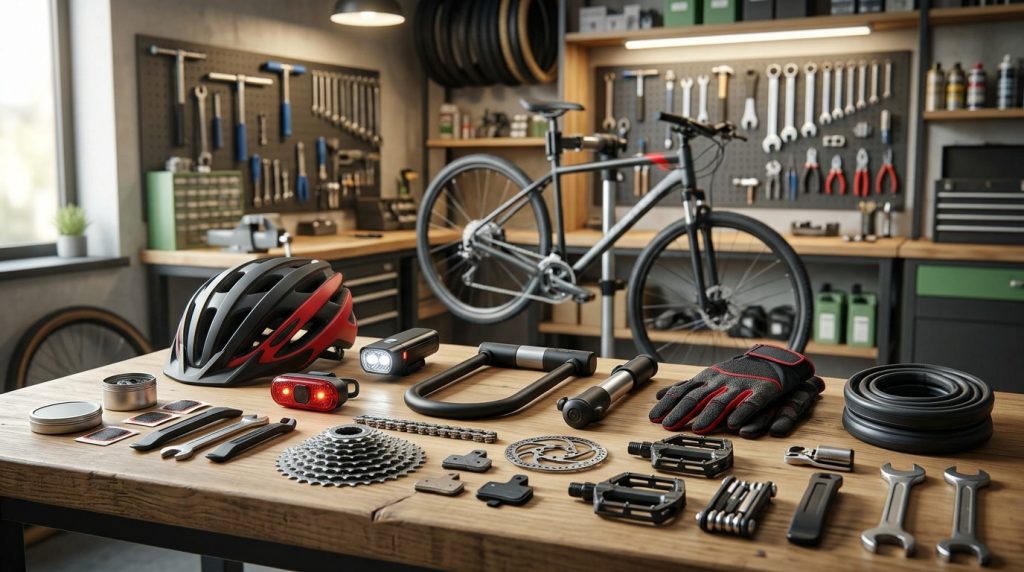
Cycling is a convenient, enjoyable and practical way to travel. Whether you ride your bicycle to work, explore new routes at weekends or simply enjoy spending time outdoors, having the right accessories and spare parts can make a big difference. They improve comfort, increase safety and help keep your bicycle in good working condition. However, choosing suitable products can sometimes be confusing, especially with so many options available.
From essential safety equipment to replacement components, every cyclist should understand which items are worth buying and how they contribute to a better riding experience. In this guide, we explore some of the most useful bike accessories and spare parts, explain their benefits and share advice on choosing the right products for your bicycle.
Why Are Bike Accessories Important?
Bike accessories are designed to make cycling safer, easier and more comfortable. Some products are essential for everyday journeys, while others are useful for longer rides or specific cycling activities.
For example, a reliable bike lock helps protect your bicycle when you leave it outside a shop, workplace or station. Front and rear lights improve visibility, particularly when riding in the evening or during poor weather. A comfortable saddle can also make longer journeys more enjoyable by reducing pressure and discomfort.
The right accessories depend on your cycling habits, the type of bicycle you own and the places where you normally ride. Instead of purchasing everything at once, consider the products that will provide the greatest benefit for your daily needs.
Essential Bike Accessories Every Cyclist Should Have
1. Bike Lights for Better Visibility
Bike lights are among the most important accessories for anyone who rides on public roads. Front lights help you see the road ahead, while rear lights make it easier for other road users to notice you.
Good-quality lights are particularly useful during winter, early mornings and late evenings when visibility can be limited. Rechargeable LED lights are a popular choice because they are practical, bright and easy to maintain.
When choosing bike lights, consider battery life, brightness, charging time and mounting options. Make sure they are securely attached and suitable for the conditions in which you ride.
2. Strong Bike Locks for Security
Bicycle theft is a concern for many cyclists, particularly in busy towns and cities. A dependable lock is an important investment if you regularly leave your bicycle unattended.
D-locks, chain locks and folding locks are common options. D-locks are popular because of their rigid construction, while folding locks offer a convenient balance between security and portability.
When buying a lock, look for strong materials and a reliable locking mechanism. It is also important to secure the frame and, where possible, the wheels to an immovable object.
3. Comfortable Bike Saddles
A suitable saddle can make every day cycling much more enjoyable. If your current seat causes discomfort, upgrading it may improve your riding experience.
Bike saddles are available in different shapes, sizes and materials. Some are designed for relaxed city cycling, while others are made for road cycling and longer distances.
Your riding position and body shape should influence your choice. A saddle that feels comfortable for one cyclist may not suit another, so it is worth considering fit and support before purchasing.
4. Mudguards for Wet Weather
Mudguards are especially useful for people who cycle regularly in rainy conditions. They help prevent water, dirt and road debris from splashing onto your clothing and bicycle.
Full-length mudguards generally provide greater coverage, while clip-on versions can be suitable for cyclists who prefer a lightweight option.
Before buying mudguards, check that they are compatible with your bicycle’s wheel size, frame and tyre clearance.
5. Bike Pumps and Puncture Repair Kits
A flat tyre can interrupt even a short journey. Carrying a compact bike pump and puncture repair kit can help you deal with minor problems without needing to walk your bicycle home.
A basic repair kit usually includes patches, tyre levers and adhesive. Some cyclists also carry a spare inner tube to make replacing a damaged tube quicker.
Check your tyre pressure regularly and follow the recommended pressure range printed on the tyre. Correct inflation can improve handling, comfort and overall performance.
Understanding Bicycle Spare Parts
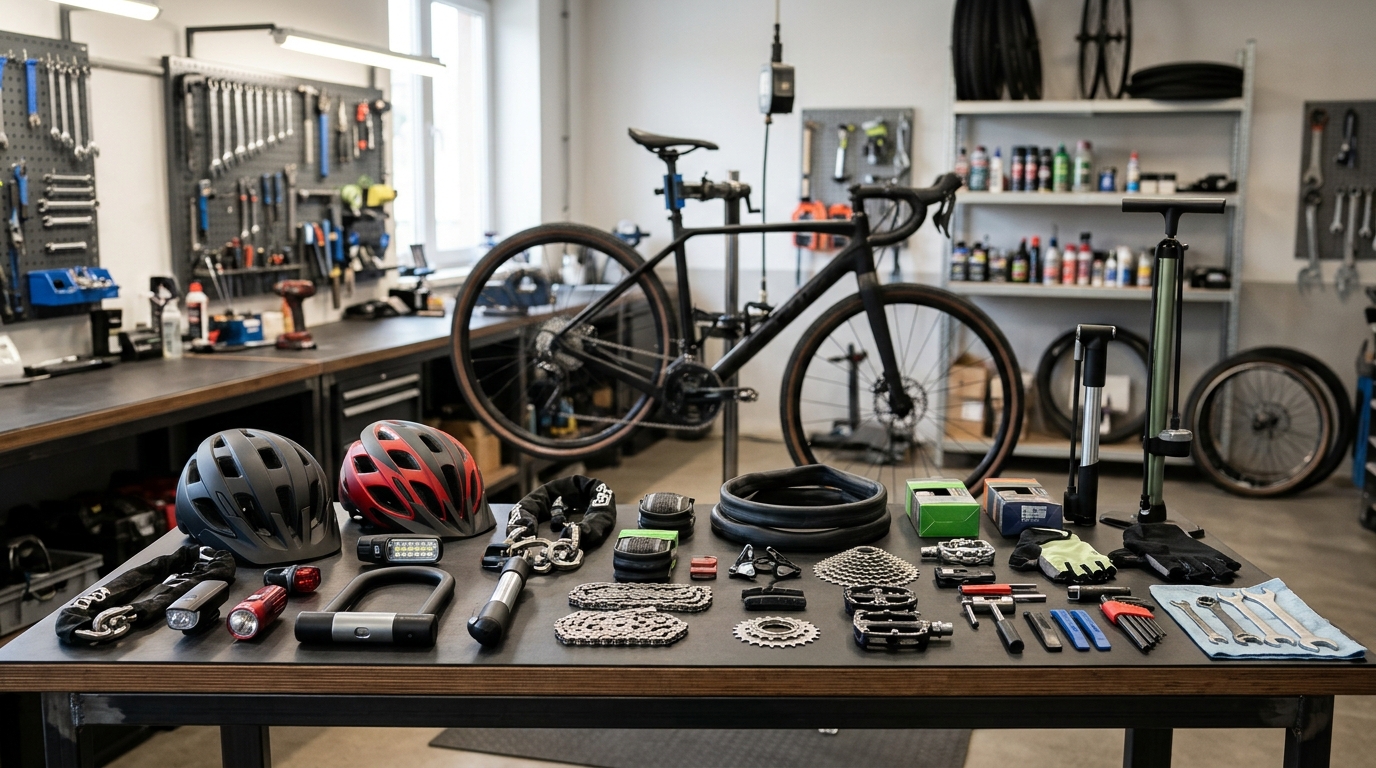
Accessories improve the riding experience, while spare parts help maintain the bicycle and replace worn or damaged components. Regular use naturally causes certain parts to deteriorate, making occasional replacement necessary.
Knowing the purpose of common bicycle components can help you recognise problems early and avoid unnecessary repairs.
1. Brake Pads and Brake Cables
Brakes are essential for safe cycling. Over time, brake pads become thinner and cables may stretch, wear or become damaged.
If your bicycle takes longer to stop, makes unusual noises or has a weak braking response, the braking system may need attention.
Replacement brake pads and cables should always match the bicycle’s braking system. If you are unsure which components are suitable, ask a professional mechanic to check them.
2. Bicycle Chains
The chain transfers power from the pedals to the rear wheel. It experiences constant movement and friction, which gradually cause wear.
A worn chain can affect gear shifting and damage other drivetrain components, including the cassette and chainrings.
Clean and lubricate your chain regularly, particularly after riding in wet or muddy conditions. If it becomes excessively worn, replacing it promptly can help prevent more expensive repairs.
3. Tyres and Inner Tubes
Tyres are one of the most frequently replaced bicycle components. Punctures, worn tread, cracks and damaged sidewalls can all affect performance and safety.
When buying replacement tyres, check the size printed on your existing tyre. You should also consider the type of cycling you do. Road tyres, mountain bike tyres and hybrid tyres are designed for different surfaces and riding conditions.
Inner tubes must also match the tyre size and valve type to ensure a proper fit.
4. Gears and Derailleurs
The gear system allows cyclists to adjust their pedalling effort according to the terrain. Components such as shifters, derailleurs, cables and cassettes can become worn or damaged through regular use.
If the gears skip, struggle to change or make unusual noises, the system may need adjustment or replacement parts.
Keeping the drivetrain clean and having the gears checked periodically can help maintain smooth performance.
5. Pedals and Handlebars
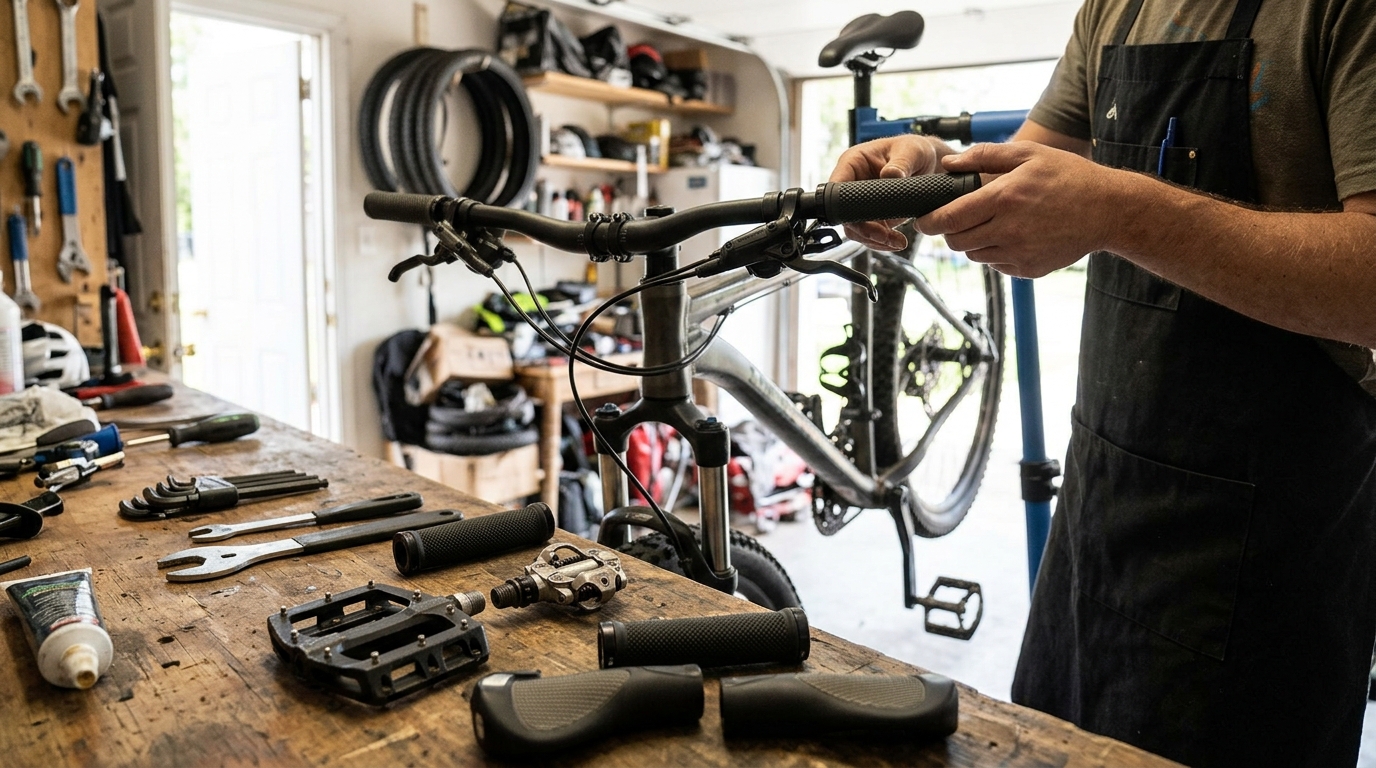
Pedals and handlebars are important contact points between the cyclist and the bicycle. Loose pedals, worn grips or damaged handlebars can make riding uncomfortable and potentially unsafe.
Replacement pedals are available in flat and clip less designs, depending on the cyclist’s preferences. Handlebar grips also come in different shapes and materials to provide better comfort and control.
Always ensure that replacement components are compatible with your bicycle before installation.
How to Choose the Right Bike Accessories and Spare Parts
Buying bicycle accessories and spare parts should not be based on price alone. The cheapest option may not always offer the best value, particularly when it comes to safety-related components.
Keep these points in mind when shopping:
- Check compatibility: Make sure the product matches your bicycle’s make, model, wheel size and specifications.
- Consider quality: Choose reliable products made from durable materials, especially for brakes, tyres and other essential components.
- Think about your riding habits: A daily commuter may need lights, mudguards and a strong lock, while a mountain biker may prioritise protective equipment and suitable tyres.
- Compare available options: Look at product features, materials, warranties and customer feedback before making a decision.
- Seek professional advice: If you are unsure about a particular replacement part, consult an experienced bicycle mechanic.
Taking time to select the right components can prevent compatibility problems and help your bicycle remain dependable.
Why Regular Bicycle Maintenance Matters
Even high-quality bicycles need regular maintenance. Cleaning the frame, checking tyre pressure, lubricating the chain and inspecting the brakes are simple tasks that can help prevent common problems.
It is also important to pay attention to unusual sounds, loose components and changes in riding performance. Small issues are often easier and less expensive to address when identified early.
For components such as brakes, wheels, gears and bearings, professional inspection can provide additional reassurance. A trained mechanic can identify wear, recommend suitable replacement parts and ensure that everything is fitted correctly.
Final Thoughts
Choosing the right bike accessories and spare parts is an important part of enjoying safe, comfortable and reliable cycling. From lights and locks to tyres, chains and brake pads, every component has a role in maintaining your bicycle and improving your journeys. Whether you are replacing a worn part, upgrading your equipment or preparing for everyday commuting, always focus on quality, compatibility and your individual cycling needs. If you are looking for dependable bicycle accessories, replacement components or expert advice, Southwark Cycles is a great place to explore your cycling needs and find suitable solutions to keep your bicycle ready for the road.
Chat with ChatGPT
Bottom of Form