
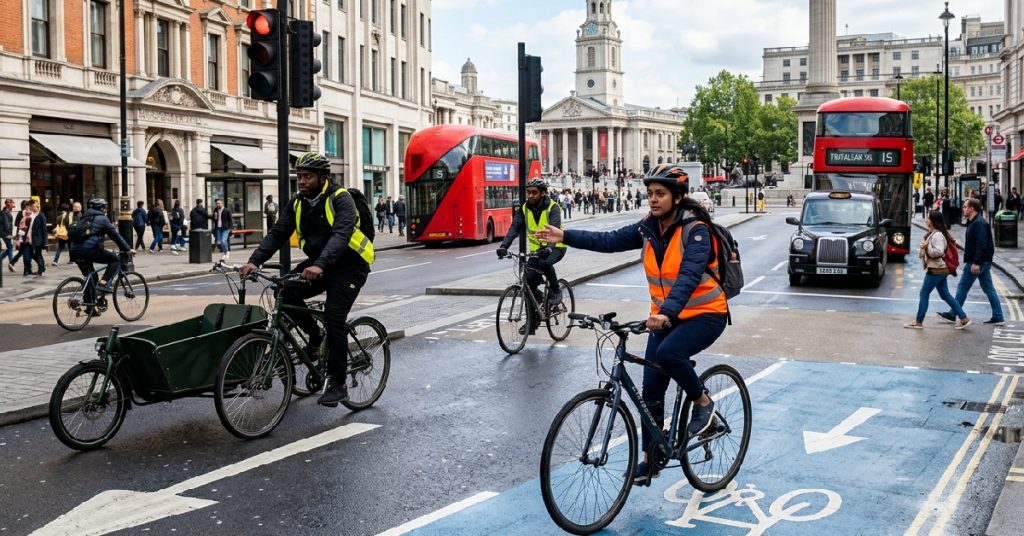
London is one of the best cities in the world for cycling. From the busy streets of Central London to the quieter riverside routes, more people are choosing bikes for commuting, fitness, and everyday travel. Cycling is quicker in traffic, better for the environment, and often far less stressful than squeezing onto packed trains during rush hour. But with thousands of cyclists sharing the roads every day, good cycling etiquette matters just as much as knowing how to ride. Whether you are a beginner or someone who cycles daily, understanding proper road manners can make journeys safer, smoother, and more enjoyable for everyone. Here are the key cycling etiquette rules every London rider should know.
Respect Traffic Rules at All Times
One of the biggest complaints drivers and pedestrians have about cyclists is riders ignoring traffic signals. Jumping red lights, weaving through crossings, or riding against traffic not only creates danger but also damages the reputation of cyclists as a whole. Traffic lights and road signs apply to cyclists exactly the same way they apply to drivers. Stopping at red lights, respecting pedestrian crossings, and following lane markings helps keep everyone safe. London roads can already feel chaotic, especially during peak hours. Predictable riding makes it easier for drivers, pedestrians, and fellow cyclists to understand your movements. When everyone knows what to expect, accidents become far less likely.
Use Hand Signals Clearly
Good communication is essential when riding in busy areas. Hand signals give other road users time to react and help prevent sudden surprises. Before turning or changing lanes, signal early and confidently. Extend your arm clearly rather than making quick or half-hearted gestures. Eye contact with drivers can also help confirm that they have seen you. Many accidents happen simply because others did not know what a cyclist intended to do. A simple signal can avoid confusion and make traffic flow more smoothly.
Stay Aware of Pedestrians
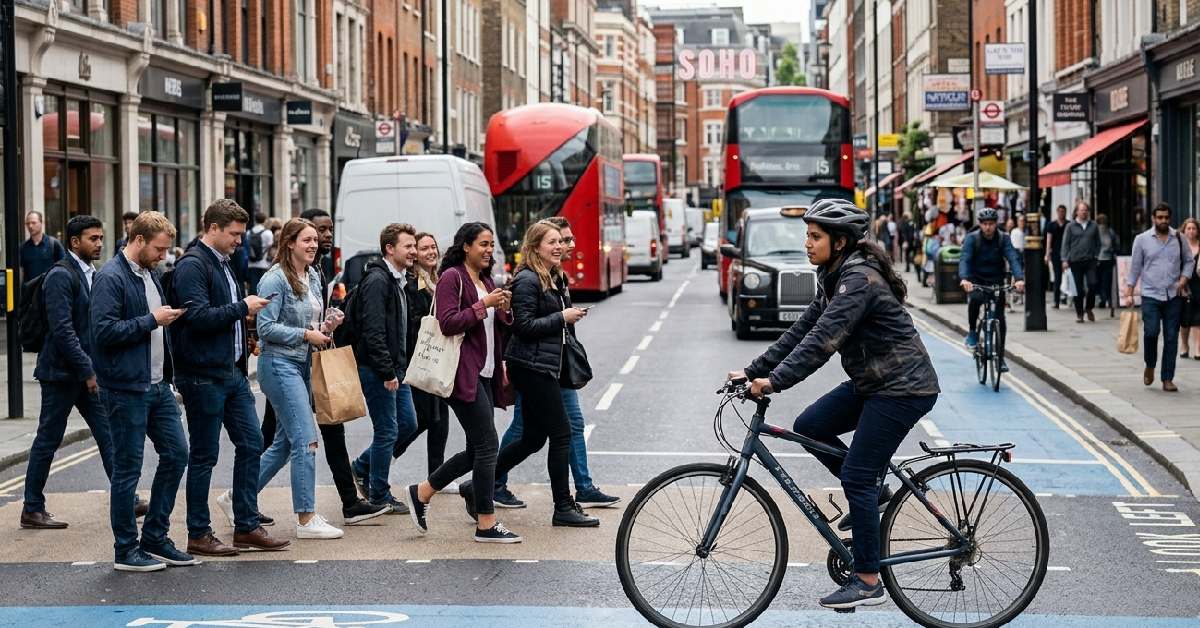
Pedestrians always deserve extra attention, particularly in crowded parts of London such as Soho, Camden, or near train stations. People may step into cycle lanes unexpectedly while looking at phones, talking with friends, or rushing for transport. Slow down near crossings, schools, parks, and busy shopping areas. Avoid aggressively ringing bells at pedestrians unless it is necessary for safety. A polite approach works much better than frustration. Remember, cyclists often complain about drivers treating them carelessly. Showing patience toward pedestrians creates the same respect cyclists hope to receive from motorists
Avoid Riding on Pavements
Unless signs specifically allow shared-use cycling, pavements are meant for pedestrians. Riding on the pavement can intimidate walkers, especially older people, children, or those with disabilities. Many cyclists use pavements because they feel nervous on busy roads. While that fear is understandable, cycling on pavements creates risks for others. Instead, consider quieter routes, protected cycle lanes, or less congested roads while building confidence. London has expanded its cycling infrastructure significantly over recent years, making it easier to ride safely without using pedestrian spaces.
Do Not Block Cycle Lanes
Cycle lanes work best when riders cooperate with one another. Stopping suddenly in the middle of a lane to check directions, answer messages, or chat with friends can create problems for cyclists behind you. If you need to stop, move safely to the side where you are not blocking traffic. This is especially important during commuting hours when cycle lanes become extremely busy. Think of cycle lanes like driving lanes on a road. Keeping them clear allows traffic to flow smoothly and reduces frustration for everyone.
Pass Other Cyclists Politely
Not every cyclist rides at the same speed. Some are commuting quickly to work, while others may be beginners or simply enjoying a relaxed ride. When overtaking another cyclist, give enough space and avoid cutting sharply back in front of them. A simple “on your right” or “passing” can help avoid startling someone unexpectedly. Aggressive overtaking creates tension and increases the risk of collisions. Patience and courtesy make shared cycling spaces much safer.
Keep Headphones Low or Avoid Them Entirely
Listening to music while cycling may seem harmless, but loud headphones can reduce awareness of traffic, sirens, horns, or warnings from others nearby. London roads demand constant attention. Buses, taxis, delivery vans, and pedestrians can appear suddenly, particularly in central areas. If you choose to wear headphones, keep the volume low or use only one earbud. Staying alert to your surroundings is one of the simplest ways to stay safe.
Be Careful Around Large Vehicles
Heavy goods vehicles and buses are involved in many serious cycling accidents in cities. These vehicles have large blind spots, meaning drivers may not always see cyclists beside them. Avoid sitting directly alongside large vehicles at junctions or traffic lights. If you cannot see the driver’s mirrors, they probably cannot see you either. Give buses and lorries plenty of space, especially when they are turning. It is always better to wait a few extra seconds than to take unnecessary risks.
Use Lights and Reflective Gear at Night
London streets may be well lit in some areas, but visibility can still change quickly due to weather, traffic, or darker side roads. Front and rear bike lights are legally required at night, but they are also essential for safety. Reflective clothing, ankle bands, or reflective bags can help drivers notice you earlier. Rainy weather is common in London, and wet roads can reduce visibility even further. Making yourself easy to see protects both you and those around you.
Respect Shared Paths and Parks
Many parks and riverside routes in London are shared between cyclists, runners, walkers, and families. Areas like Hyde Park or the Thames Path can become crowded, especially on weekends. Slow down in busy sections and avoid treating shared paths like racing tracks. Families with children or dogs may move unpredictably, so keeping speed under control is important. Cycling should feel welcoming and enjoyable for everyone using these spaces.
Look After Your Bike Properly
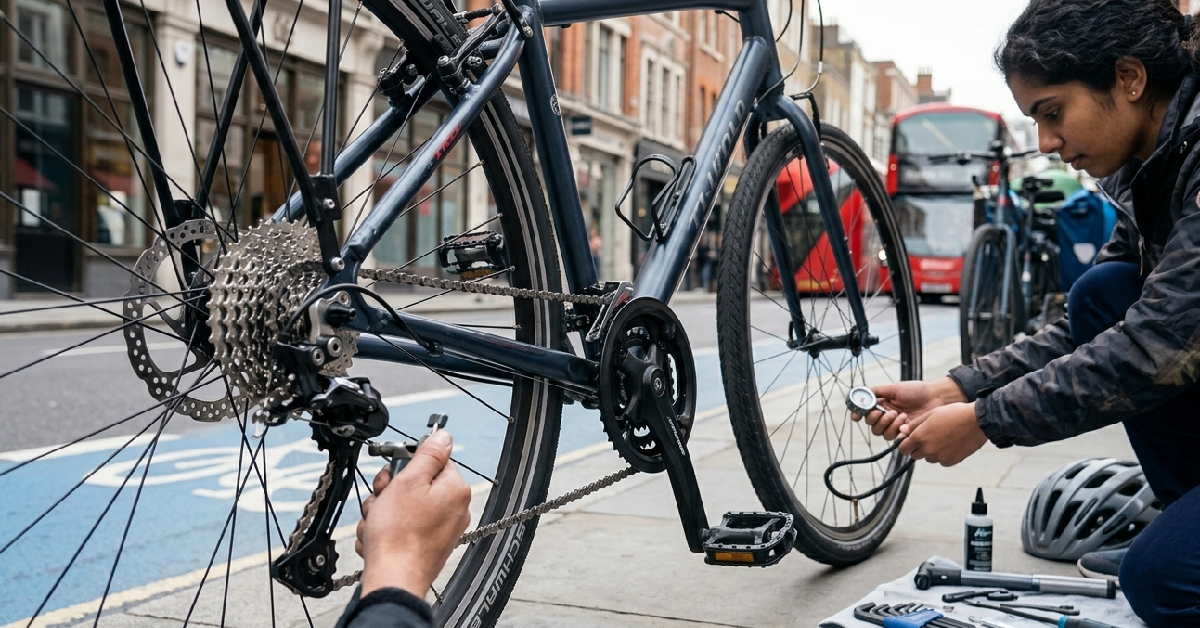
Cycling etiquette is not only about behaviour toward others. Maintaining your bike also plays a role in safety and respect. Check your brakes regularly, keep tyres properly inflated, and make sure your chain runs smoothly. A poorly maintained bike can become dangerous not only for you but also for others sharing the road. Squeaky brakes, loose parts, or sudden mechanical failures can create hazards in traffic. A quick maintenance check before riding can prevent bigger problems later.
Be Patient During Rush Hour
London commuting hours can test anyone’s patience. Roads become crowded, tempers rise, and everyone seems to be in a hurry. Cyclists sometimes feel pressure to weave through traffic aggressively or take risky shortcuts to save time. In reality, a few extra minutes rarely matter as much as staying safe. Calm, predictable riding helps reduce stress for both you and the people around you. A patient rider is usually a safer rider.
Support a Positive Cycling Culture
Cycling in London continues to grow every year. The more respectful cyclists are, the stronger the city’s cycling culture becomes. Small actions make a big difference. Thank drivers who give you space. Apologise if you make a mistake. Show patience toward new cyclists who may still be learning confidence on busy roads. Positive interactions help reduce tension between cyclists, drivers, and pedestrians. Cities become safer and more enjoyable when road users treat each other with basic courtesy.
Final Thoughts
Cycling etiquette is not about being perfect. It is about creating safer, friendlier streets where everyone can travel comfortably. London’s roads are shared spaces, and mutual respect plays a huge role in keeping them functional. Whether you cycle occasionally or ride every day, following simple etiquette rules can improve your experience and help others around you feel safer too. Good habits such as signalling clearly, respecting pedestrians, staying alert, and riding patiently all contribute to a better cycling environment. As London continues to embrace cycling as part of everyday life, riders who prioritise courtesy and responsibility will help shape the future of the city’s cycling culture. And for anyone looking to stay informed, upgrade their bike, or become part of the growing cycling community, Southwarkcycles remains a trusted name among London riders.