
Buying a second-hand bike is a great way to save money while enjoying the freedom of cycling around London. Whether you need a reliable commuter bike for travelling to work, a mountain bike for weekend adventures or an electric bike for longer journeys, the used-bike market offers plenty of options.
However, before purchasing a pre-owned bicycle, it is important to make sure it has not been stolen. A bike that looks like a bargain could leave you out of pocket or result in the bicycle being taken away if it is identified as stolen property.
The good news is that a few simple checks can help you make a more informed decision. In this guide, we explain how to spot warning signs, check a bike’s history and buy a second-hand bicycle with greater confidence in London.
1. Check the Bike’s Frame Number
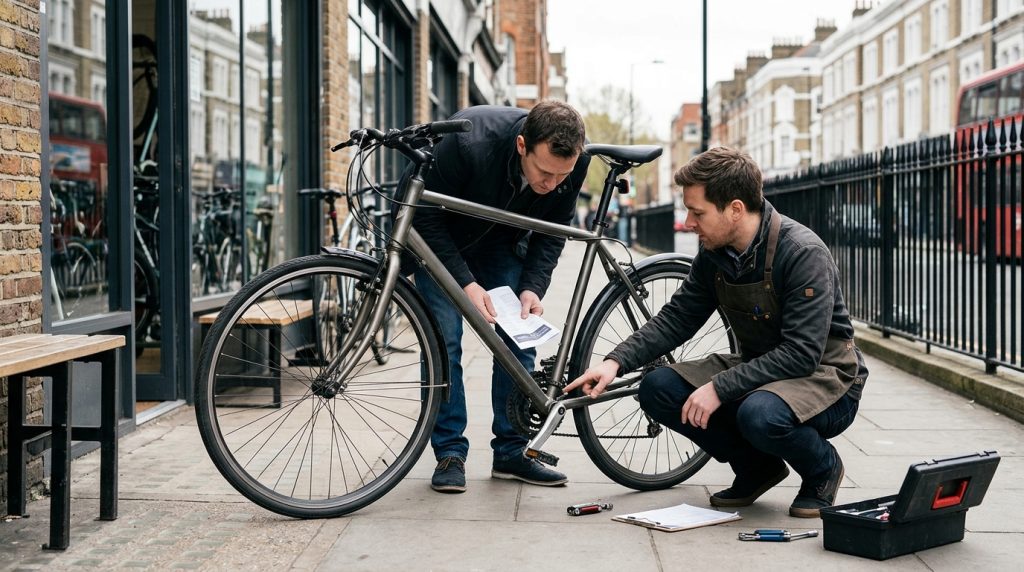
One of the first things to do when buying a used bike is to locate its frame number. This number helps identify the bicycle and can be used to check whether it has been reported stolen.
The frame number is commonly stamped underneath the bottom bracket, between the pedals, although its location can vary depending on the manufacturer.
Before agreeing to buy, ask the seller for the frame number and check it using a recognised bicycle registration database, such as BikeRegister. Its BikeChecker service allows buyers to check whether a bicycle has been recorded as stolen.
If the number appears to have been scratched off, altered or deliberately removed, treat this as a serious warning sign. Do not proceed with the purchase until the situation has been properly explained.
Remember that a clear database result does not guarantee that a bike is legitimate, as not every stolen bicycle is registered or reported.
2. Ask for Proof of Ownership
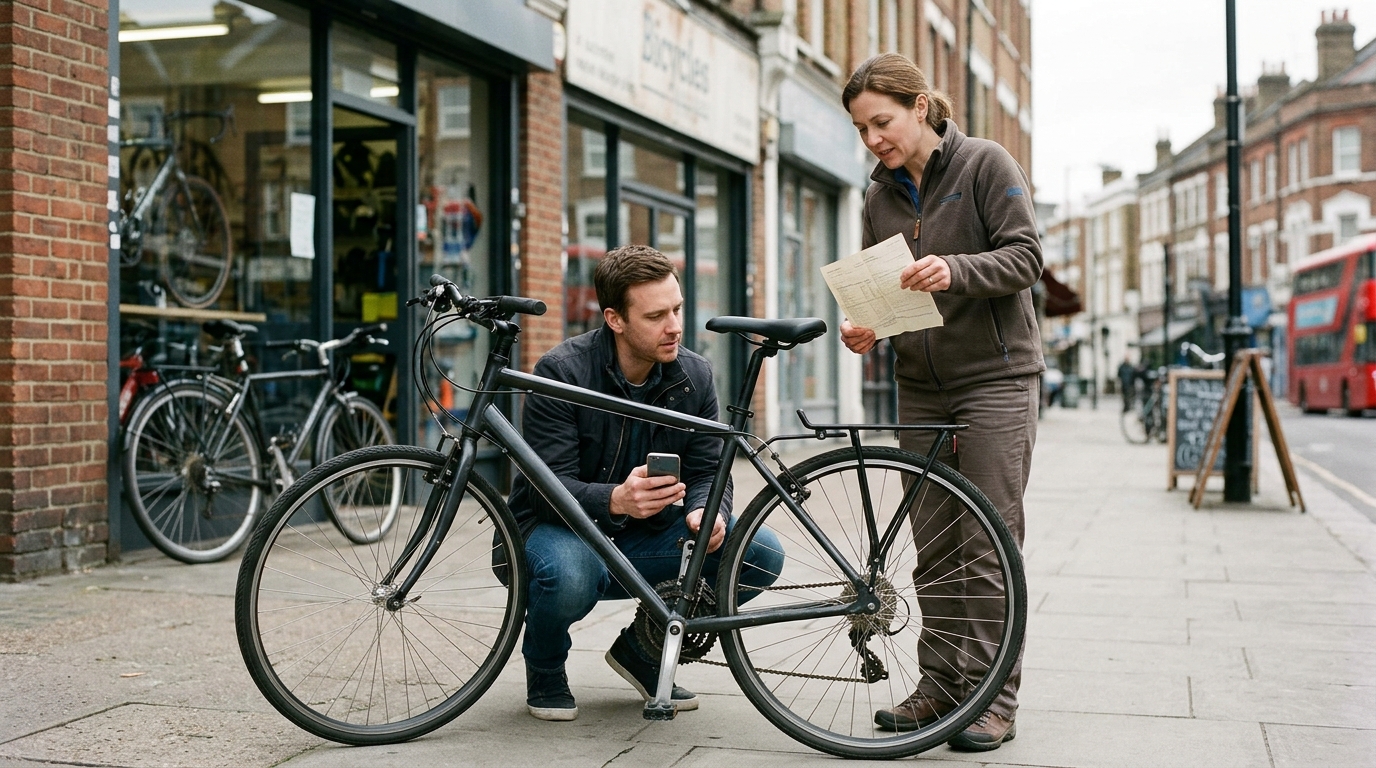
A genuine seller should be willing to answer reasonable questions about the bike’s history. Whenever possible, ask to see the original purchase receipt, an invoice or other evidence showing how they acquired the bicycle.
If the original receipt is unavailable, ask the seller where they bought the bike, approximately when they purchased it and whether they have any service records or previous photographs.
A missing receipt does not automatically mean a bike is stolen, particularly if it has changed hands several times. However, several unexplained details together should make you cautious.
Before completing the sale, request a dated receipt that records the bicycle’s make, model, frame number, purchase price and the seller’s details. Keep a copy for your own records.
3. Be Careful of Prices That Seem Too Good to Be True
Everyone likes finding a bargain, but an unusually low price can sometimes indicate a problem.
For example, if a bicycle normally sells for several hundred pounds but is advertised for a fraction of that amount, ask yourself why. The seller might be offering a genuine clearance bargain, or there could be an issue with the bike’s condition or ownership.
Before making a decision, compare similar bicycles of the same make, model, age and specification. Consider their condition, service history and any included accessories.
Be particularly cautious if the seller insists on an immediate cash payment, refuses reasonable questions or pressures you to buy before you have checked the frame number.
A low price alone does not prove that a bicycle is stolen, but it is a good reason to investigate further.
4. Look for Warning Signs in the Seller’s Behaviour
When purchasing a second-hand bicycle, pay attention to how the seller communicates and responds to your questions.
Potential warning signs include:
- Refusing to provide the frame number before you arrange a viewing.
- Giving inconsistent explanations about where the bicycle came from.
- Being unable to explain basic details about the bike they are selling.
- Using only generic photographs instead of clear pictures of the actual bicycle.
- Pressuring you to complete the transaction quickly.
- Refusing to provide a receipt or reasonable evidence of ownership.
- Asking to meet somewhere isolated or changing the agreed arrangements unexpectedly.
None of these signs proves that a seller is involved in theft. Nevertheless, if several concerns arise, it is safer to walk away than risk losing your money.
5. Inspect the Bicycle for Signs of Tampering
A careful physical inspection can help you identify problems before you pay.
Start by examining the frame number and the surrounding area. Look for unusual scratches, fresh paint, grinding marks or signs that a number has been altered.
Check the bicycle’s make, model, colour and components against the seller’s description and photographs. If the bike has distinctive features, ask the seller to explain any differences.
You should also inspect the frame for cracks or damage, test the brakes and gears, and check the wheels and tyres. These checks help you assess the bike’s mechanical condition, although they cannot establish ownership by themselves.
If you suspect that the frame number has been deliberately removed or the bicycle has been tampered with, do not buy it. If you have serious concerns about stolen property, contact the police for advice rather than confronting the seller.
6. Choose a Safe and Sensible Place to Buy
Where you meet the seller matters for both your personal safety and the reliability of the transaction.
For a private sale, arrange a viewing in daylight and take someone you trust with you if possible. A legitimate seller should be willing to arrange a sensible viewing and allow enough time for you to inspect the bicycle.
Follow the advice of the relevant police force and avoid meeting strangers in isolated locations. Do not hand over money before you have inspected the actual bike and completed your checks.
If you are buying online, keep the original listing, photographs and messages. Use a payment method that provides an appropriate record and, where available, buyer protection.
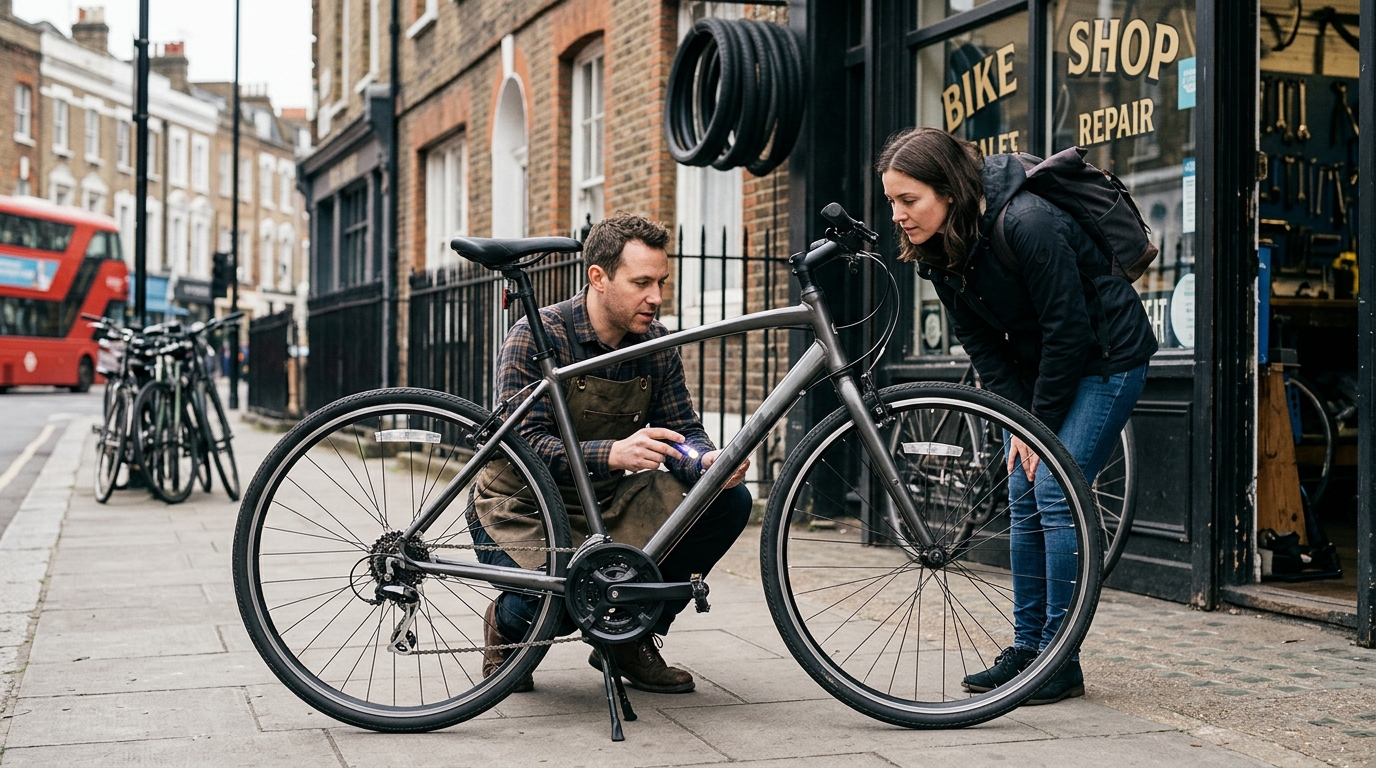
For additional peace of mind, consider buying from an established bicycle shop that can explain its inspection process and provide appropriate purchase documentation.
7. Understand the Extra Checks Needed for a Used Electric Bike
Second-hand electric bikes can be particularly appealing to London commuters because they provide assistance on longer journeys and make everyday cycling more accessible.
However, an electric bike requires additional checks beyond those needed for a conventional bicycle.
Before buying, ask about the battery’s age and condition, the charger, the motor, the purchase history and any previous repairs. Check that the battery and electrical components are compatible with the bike and that the seller can explain how the system operates.
Ask for the frame number and any available proof of ownership just as you would with a standard bicycle. Where possible, have the electrical system inspected by a qualified bicycle mechanic.
Be cautious if the seller cannot explain the bike’s history, offers no credible information about the battery or appears to have altered identifying details.
A low price should never be the only reason to choose a used electric bike.
8. Get a Receipt Before Completing the Purchase
Once you have checked the bicycle and are satisfied with the seller’s explanation, make sure the sale is documented properly.
A useful receipt should include:
- The date of purchase.
- The seller’s name and contact details.
- The buyer’s details.
- The bicycle’s make and model.
- The frame number.
- The agreed purchase price.
- A description of any included accessories.
Keep the receipt along with the original listing and any relevant messages. These records can help demonstrate the circumstances of your purchase if questions arise later.
A receipt is not conclusive proof that a bicycle is legitimately owned, so it should be used alongside your other checks rather than as a substitute for them.
9. Know What to Do If You Suspect a Bike Is Stolen
If the frame number is flagged as stolen, the seller cannot provide a convincing explanation or you discover signs of tampering, do not proceed with the purchase.
Do not attempt to investigate by confronting the seller or arranging a meeting to challenge them. Instead, preserve the advertisement, messages and other information you already have, and report your concerns to the police.
In London, you can contact the Metropolitan Police through its official website. Call 101 for non-emergency police assistance, or 999 if a crime is happening now or someone is in immediate danger.
If you have already purchased a bicycle and subsequently discover that it may be stolen, keep your payment records and contact the police for guidance. Do not attempt to return it through an unsafe private arrangement.
Taking these precautions can help protect you from financial loss while supporting efforts to reduce bicycle theft.
10. Consider Buying from a Trusted Local Bike Shop
Buying privately can sometimes offer a lower price, but it may require more effort to establish a bicycle’s history and assess its condition.
An established local cycle shop can be a useful alternative for buyers who want help choosing the right size, understanding the bike’s features and assessing its mechanical condition.
Before purchasing, ask what checks have been carried out, whether any servicing has been completed and what documentation is available. You should also confirm the shop’s returns policy and any warranty or after-sales support that applies to the particular bicycle.
These questions are especially helpful if you are buying your first used bike or are unfamiliar with bicycle maintenance.
Final Thoughts
Buying a second-hand bicycle in London can be an affordable and practical way to get around, provided you take the time to check its history and condition. Always inspect the frame number, ask for proof of ownership, compare prices, look for warning signs and obtain a receipt before completing the sale.
Most importantly, never let the excitement of a bargain rush you into a decision. If something does not feel right, walk away and look for another bicycle.
At Southwark Cycles, we understand the importance of finding a bicycle that suits your needs, budget and everyday journeys. Explore our used bikes collection to discover available options, and take the time to choose a bike that gives you confidence for your next London ride.


