
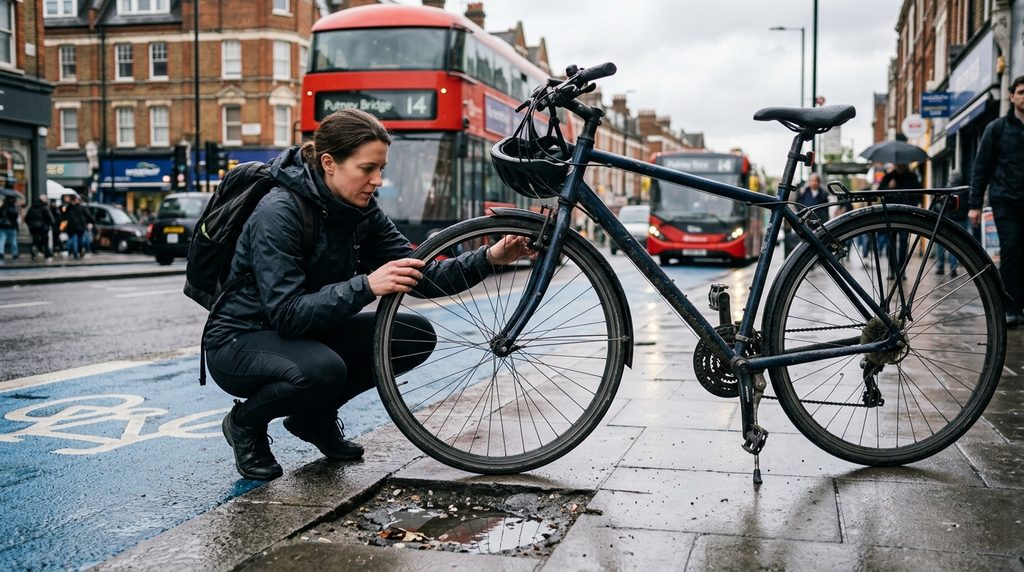
Cycling around London can be a great way to get to work, explore different parts of the city, or simply enjoy some time outdoors. But regular cycling also means your bike has to deal with busy roads, potholes, rain, dirt, heavy traffic and constant stop-start riding.
Over time, even a well-maintained bicycle can develop problems. Some issues are easy to spot, while others start with a small change in the way your bike feels or sounds. Knowing the most common problems can help you deal with them early, before a minor issue turns into an expensive repair.
Here are some of the problems London cyclists are most likely to experience and what you can do about them.
1. Punctured or Worn Tyres
Flat tyres are one of the most common problems for cyclists. Broken glass, sharp stones, road debris and worn tyre surfaces can all increase the chance of a puncture.
London roads can be particularly demanding on tyres because bikes regularly travel over uneven surfaces and debris.
A tyre that is heavily worn may also provide less grip and become more vulnerable to punctures. Check your tyres regularly for cuts, cracks, embedded glass and areas where the tread has become noticeably worn.
Keeping your tyres inflated to the correct pressure can also improve handling and reduce unnecessary wear. If you experience frequent punctures, it may be worth checking both the tyre and inner tube rather than simply replacing the tube each time.
2. Worn Brake Pads
Your brakes are among the most important parts of your bicycle, particularly when riding through busy city traffic.
Brake pads gradually wear down with use. If you notice that your brake levers need to be pulled further than usual, your stopping distance has increased, or you hear unusual noises when braking, the brake system should be checked.
Worn brake pads should not be ignored. Depending on the type of braking system fitted to your bike, replacement may involve changing rim brake pads or disc brake pads.
It is also worth checking the condition of the brake cables, hydraulic system and rotors where applicable. A bicycle that stops smoothly and predictably gives you much more confidence in traffic.
3. A Noisy or Dirty Chain
A bicycle chain has to deal with plenty of dirt when it is used regularly. Road dust, water and grime can build up on the chain, cassette and chain rings.
A dirty chain can become noisy and may not shift as smoothly as it should. Over time, poor lubrication and contamination can also contribute to increased wear.
Cleaning the chain regularly and applying a suitable bicycle chain lubricant can make a noticeable difference. However, avoid simply adding more lubricant over an already dirty chain. Excess oil can attract more dirt and create an abrasive mixture.
A clean chain, correctly lubricated for the riding conditions, generally runs more smoothly and quietly.
4. Gears That Do Not Shift Properly
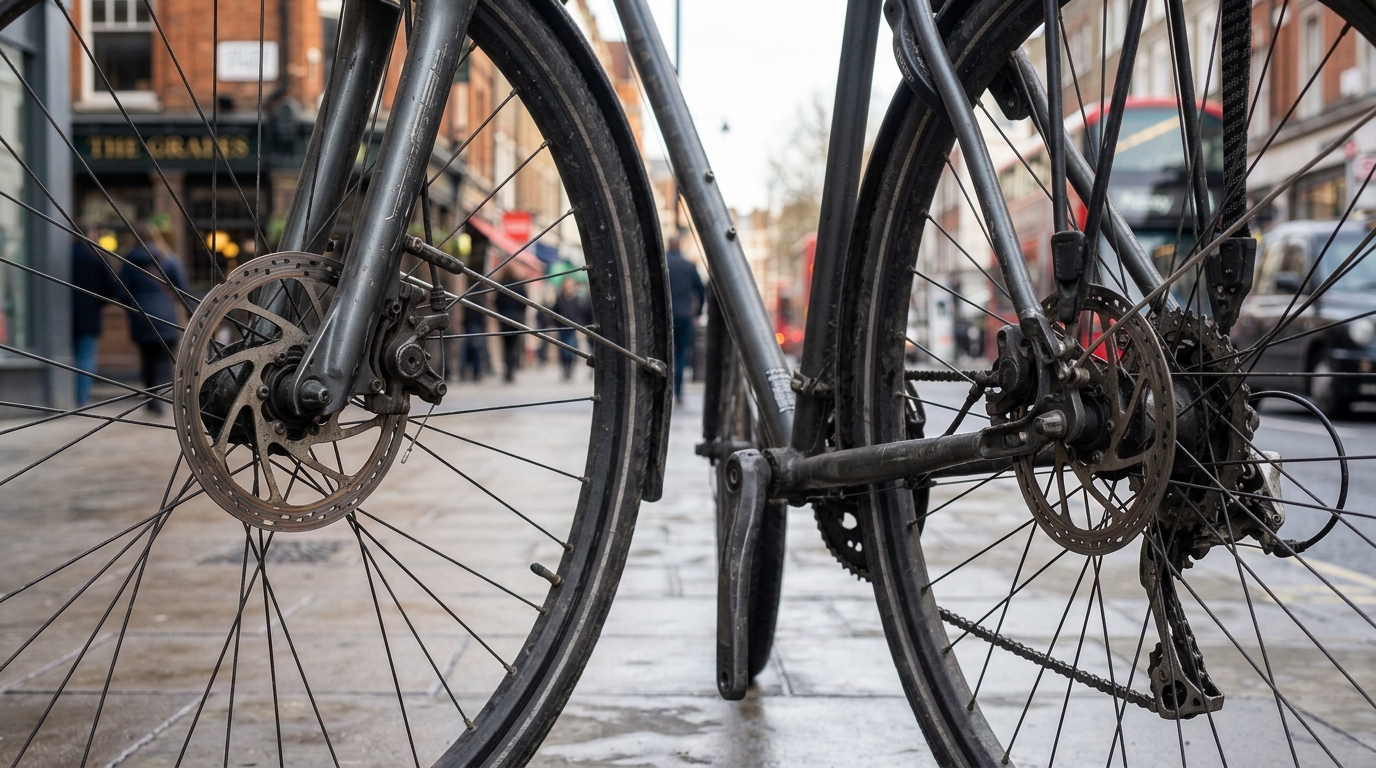
Gear problems are another common complaint among everyday cyclists.
You may notice that the chain hesitates before moving onto another gear, skips while pedalling, or refuses to shift into certain gears. Sometimes the problem is simply caused by cable tension or a dirty drivetrain. In other cases, the chain, cassette or derailleur may be worn.
If your gears have gradually become less precise, it is worth having the drivetrain inspected rather than repeatedly adjusting the gears without identifying the cause.
Correctly adjusted gears should shift smoothly without excessive noise or hesitation.
5. Loose or Worn Headset
The headset connects the handlebars and fork to the bicycle frame, allowing the steering to turn smoothly.
A loose headset can cause movement at the front of the bike. You may feel a slight knock when applying the front brake or notice that the steering does not feel as solid as it used to.
This is not something to ignore. A loose headset can affect steering and handling, especially when riding over uneven roads.
If you are unsure how to check or adjust it correctly, having a mechanic inspect the bike is a sensible option.
6. Pothole Damage
Potholes are an unavoidable part of cycling in many busy urban areas.
Hitting a pothole at speed can cause damage to wheels, tyres, forks and other components. Sometimes the damage is immediately obvious, while at other times you may only notice that the wheel feels different after the ride.
After a hard impact, check your tyres and wheels carefully. Look for bulges or cuts in the tyre and check whether the wheel still runs straight.
If the wheel has developed a noticeable wobble, it may need to be trued or inspected for more serious damage.
7. Wheel Problems
Wheels take a lot of punishment during every day cycling. Kerbs, potholes, rough surfaces and heavy loads can all contribute to wheel problems.
A wheel that is slightly out of alignment may develop a side-to-side wobble. Loose spokes can also affect the strength and stability of the wheel.
Do not wait until a wheel becomes severely damaged. Regular checks can identify loose spokes, damaged rims or worn bearings before the problem becomes more serious.
Keeping your wheels in good condition also helps the bicycle feel smoother and more stable.
8. Flat or Incorrectly Adjusted Saddle
Not every bike problem is mechanical.
A saddle that is too high, too low or positioned incorrectly can make a daily commute uncomfortable. You may experience discomfort in your knees, lower back or other areas if your riding position is not suitable.
The correct saddle position depends on the rider and the bicycle. Small adjustments can sometimes make a surprisingly large difference.
If you regularly experience discomfort while cycling, it is worth checking your saddle height and position rather than simply trying to ride through the problem.
9. Battery and E-Bike Problems
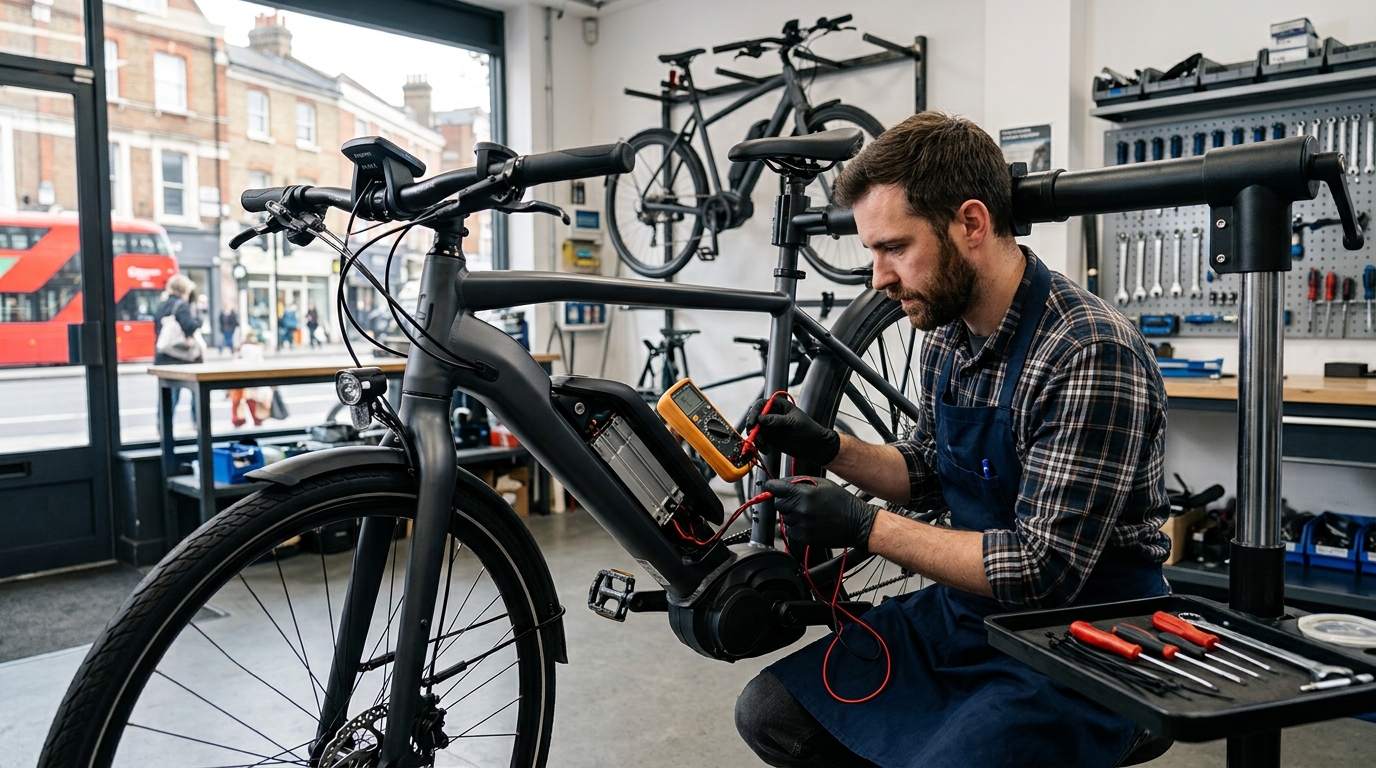
E-bikes have become increasingly popular with commuters, but they come with additional components that require attention.
Battery performance can change with age and use. Problems can also occur with chargers, displays, electrical connections, sensors or motors.
If an e-bike suddenly loses power or behaves differently, check the manu facturer’s recommended troubleshooting steps first. Avoid attempting electrical repairs if you are not familiar with the system.
Regular servicing can help identify mechanical and electrical issues before they affect your everyday journeys.
10. Rust and Corrosion
London’s wet weather can be hard on bicycles.
Water left on the frame, chain, gears, bolts and other metal components can eventually contribute to corrosion. This is especially important for bikes that are regularly ridden in the rain and then stored while still wet.
After riding in wet conditions, wipe the bicycle down and pay particular attention to the drivetrain. Keeping moving parts clean and appropriately lubricated can help protect them.
Storage also matters. A bicycle kept somewhere dry and sheltered is less exposed to moisture than one left outside for long periods.
11. Loose Bolts and Components
Regular riding can gradually loosen certain bolts and fittings.
Handlebars, stems, bottle cages, mudguards, racks, saddle clamps and other accessories should be checked from time to time.
This does not mean tightening every bolt as hard as possible. Different components have specific tightening requirements, and excessive force can damage parts.
If you are unsure about a component, a professional bike mechanic can check it and make sure everything is correctly fitted.
12. Ignoring Small Problems
Perhaps the biggest problem is ignoring smaller warning signs.
A squeaking brake, slightly loose headset, slow gear change or recurring puncture may seem like something that can wait. But small faults can become more expensive when they are left unattended.
A quick inspection can often identify problems before they become major repairs.
Pay attention to changes in how your bike sounds, feels and handles. If something suddenly feels different, it is worth finding out why.
How to Keep Your Bike Running Smoothly
You do not need to be an expert mechanic to look after your bicycle.
A simple maintenance routine can go a long way. Check your tyre pressure regularly, keep the chain clean and lubricated, inspect the brakes and look over the tyres for damage.
It is also useful to have the bike professionally serviced from time to time, particularly if you use it every day. A mechanic can check components that may be difficult to assess at home and identify wear before it becomes a bigger issue.
For London commuters, regular maintenance is particularly important because the bicycle may be used several times a week in challenging road and weather conditions.
Final Thoughts
London cycling can put plenty of demands on a bicycle, but many common problems can be prevented or caught early with a little attention.
Flat tyres, worn brakes, dirty chains, gear problems, pothole damage and corrosion are all easier to deal with when they are identified early. Regular checks can also improve the reliability and comfort of your rides.
Whether you use your bicycle every day for commuting or only ride at weekends, taking care of the basic components will help keep it performing properly.
And when a problem is beyond a simple home check or adjustment, Southwark Cycles can help you keep your bike in good working condition, so you can spend less time worrying about repairs and more time enjoying your ride.


